I buy a lot of home decor online. Probably more than I should admit.
I love being able to sit with a coffee, scroll through hundreds of options, compare prices and find pieces I would never come across in a local store. But I’ve also learned that a beautifully styled product photo can be very convincing.
Sometimes too convincing.
A while ago, I ordered a simple white comforter online. It looked exactly like what I wanted—clean, lightweight and perfect with the neutral look I love. The reviews were good, and at a glance, the description seemed to say all the right things.
So I clicked.
And visually? I still love it.
The problem is that it sleeps so hot.
At first, I couldn’t understand why. It feels lightweight and doesn’t look heavy, but I finally went back and read the full product description more carefully. The shell is 100% polyester microfiber, and the inside is fiberfill.
There it was.
The information had been available the entire time. I had just neglected to read far enough down the page before ordering.
Totally my fault.
And as a menopausal woman who already has enough trouble sleeping through the night without overheating, a comforter that traps heat is not exactly ideal. Even Jason thinks it’s hot, so I know this one isn’t just me.
It will probably be retiring to the spare room very soon.
That experience was a good reminder that good reviews don’t necessarily mean a product is right for me. Other people may genuinely love that comforter. But they may sleep differently, keep their bedroom cooler or simply care about different things.
When we shop online, we can see what something looks like—but we can’t touch the fabric, judge the true scale, see the finish in our own lighting or know how it will actually function in everyday life.
And sometimes, all the information we need is right there.
We just have to slow down long enough to read it.
I still buy plenty of home decor online. I love the convenience, the selection and, yes, the thrill of finding something that looks far more expensive than it is. But I’ve become much more careful about what I check before I click Add to Cart.
I don’t follow a perfect system, and I still get things wrong sometimes. But these are the things I now look for when I’m trying to figure out whether a piece will actually look as good in real life as it does on my screen.
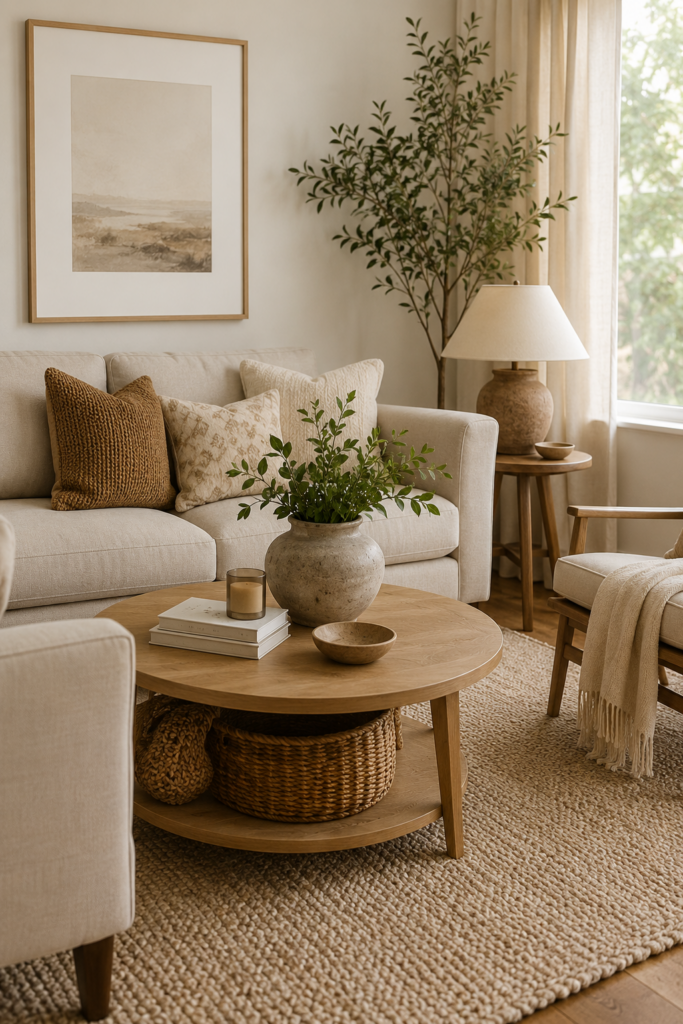
1. I Look Past the Prettiest Photo First
The first photo is supposed to make us fall in love.
That is its job.
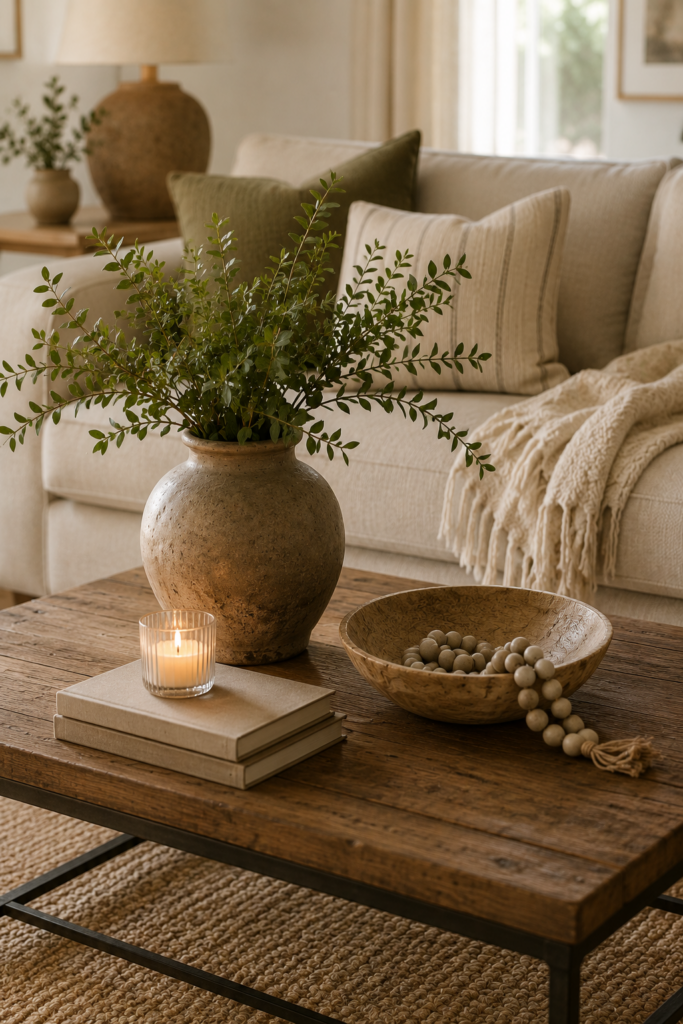
The lighting is perfect. The room is beautifully styled. The coffee table has exactly three carefully placed books, a branch is casually leaning in a gorgeous vase, and apparently nobody in this house owns a phone charger.
I know this—and I still fall for it.
But now, once something catches my eye, I try to stop looking at the room and start looking at the actual product.
I swipe past the beautiful hero image and look for the least exciting photos I can find.
I want to see the piece straight on. From the side. Up close. Without perfect lighting. If it is furniture, I want to see the back, the legs, the hardware and the inside of the drawers or cabinets.
I also pay attention to what is around it.
A side table can look much larger when it is photographed beside a small chair. A lamp can look substantial until you realize the console table underneath it is unusually narrow. And a decorative bowl can look like a beautiful statement piece until you see it sitting in someone’s hand and realize it is tiny.
Styled photos are not useless. I love them for inspiration. They help me imagine how I might use a piece in my own home.
I just don’t trust them to tell me the whole story anymore.
The prettiest product photo is usually the one that makes me stop scrolling. It is rarely the one that makes me buy.
Once I’ve looked past the styling, the next question is much less exciting—but it has probably saved me from more bad purchases than anything else:
How big is this thing, really?
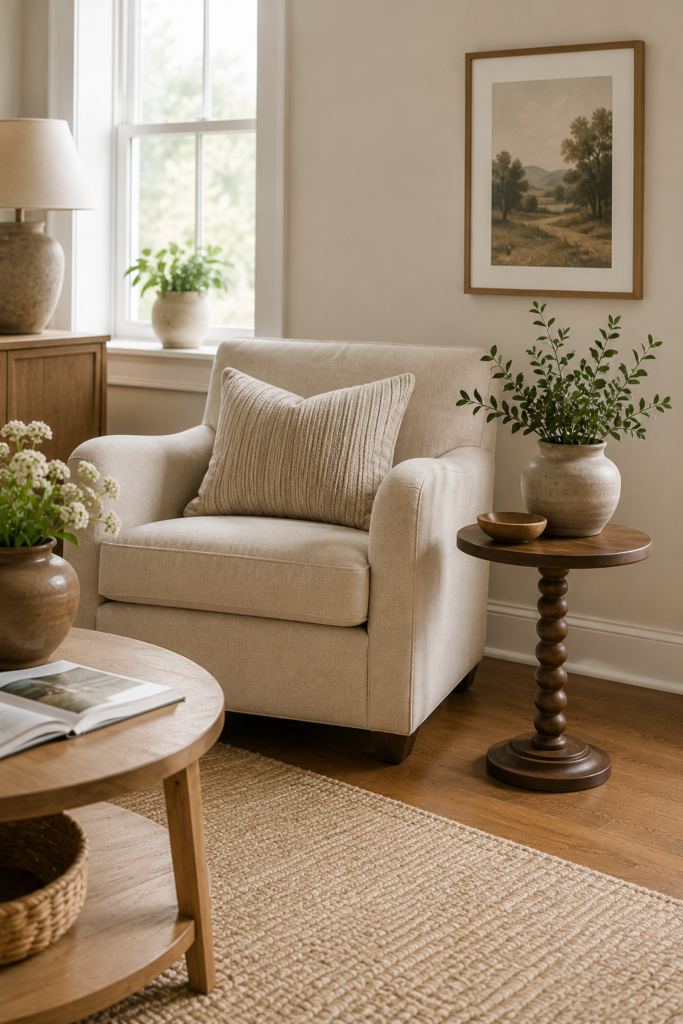
2. I Measure Before I Let Myself Get Attached
I have learned this lesson more than once.
Something catches my eye. I can already picture where I’m going to put it. In my head, the room is practically finished.
Then I check the dimensions.
Oh.
This happens constantly with home decor online, but I find it especially common with furniture, lamps, mirrors and artwork. Without a familiar object beside something for scale, it is surprisingly easy to imagine a piece as much larger—or much smaller—than it really is.
Side tables are a big one for me.
A beautiful little table can look perfectly substantial in a product photo, but if it sits too low beside the arm of a sofa or chair, it may not function the way I imagined. The same goes for coffee tables that disappear in front of a large sectional, console tables that are much shallower than expected and lamps that arrive looking more like accent lights than the substantial pieces I thought I ordered.
So now I actually get out the measuring tape.
If I’m considering a larger piece of furniture, I try to visualize the footprint in the room before ordering. Painter’s tape on the floor works well, but I have also used cardboard, boxes and existing furniture to give myself a rough idea of how much space something will take up.
It is not glamorous, but it works.
I also compare the measurements with something I already own. If I’m looking at a new side table, for example, I’ll measure the one beside my sofa now. Suddenly, 22 inches high means something. Without that comparison, it is just a number on a product listing.
Rugs are probably one of the easiest things to misjudge online because there is often no clear sense of scale. A rug can look generous in a product photo and feel surprisingly small once it is sitting under your actual furniture.
What Size Rug Do I Need? A Simple Living Room Rug Size and Placement Guide
I went much deeper into rug sizing and placement in that guide because choosing the right size really can change how an entire room feels.
Of course, getting the measurements right doesn’t help much if the finish arrives looking completely different from what you expected.
That is when I start digging into what the product is actually made of.
And apparently, I needed this reminder twice. In April, I ordered a set of linen curtains and intentionally added two sets to my cart because I wanted plenty of fullness. At some point, though, I must have added the same order twice without realizing it. I remember wondering why the curtains suddenly seemed so expensive, but somehow I still checked out!
The bigger surprise came when Jason and I went to hang them and realized I had ordered the wrong length. I was almost certain I had chosen the correct size, but clearly I hadn’t checked closely enough before clicking “buy.” Thankfully, I was able to return what I didn’t need without paying return postage—which made the mistake much less painful.
I’m usually careful when I shop online, but this was a good reminder of how easy it is to miss something when you’re comparing sizes, quantities and options. Now I double-check the exact measurements, the number of sets in my cart and the final price before placing the order.
My quick check before ordering curtains: I confirm the panel length, number of panels included in each set, quantity in my cart and total price before checking out.
3. I Check the Materials—Not Just the Marketing Words
My comforter is the perfect example.
The product description told me what it was made of. I just paid more attention to words like lightweight and soft than I did to 100% polyester microfiber.
Those marketing words were not necessarily wrong. The comforter is lightweight and soft.
But those were not the only details that mattered to me.
Now I scroll farther.
If I’m looking at furniture, I want to know whether “wood” means solid wood, veneer, engineered wood or a wood-look finish. If I’m looking at curtains or bedding, I check the actual fabric composition. If something looks like stone, ceramic or metal, I want to know whether that is what it really is—or simply what it is designed to resemble.
And I want to be clear: I don’t think everything needs to be solid wood, linen or natural stone.
I love a good affordable find.
Engineered wood can be perfectly practical. Polyester curtains can hang beautifully. A resin vase can look fantastic on a shelf. I’m not interested in telling anyone they need to spend a fortune to have a beautiful home.
I just want to know what I’m buying.
There is a difference between choosing an affordable material because it works for your home and discovering what something is made of after it arrives.
Decorating Your Home on a Budget Without It Looking Cheap
I’ve always believed that a beautiful home is more about the choices you make than the amount you spend. But knowing where I’m willing to compromise—and where I’m not—has made online shopping much easier.
Materials give me part of the picture, but there is one thing I still find surprisingly difficult to judge through a screen:
Colour.
Especially wood.
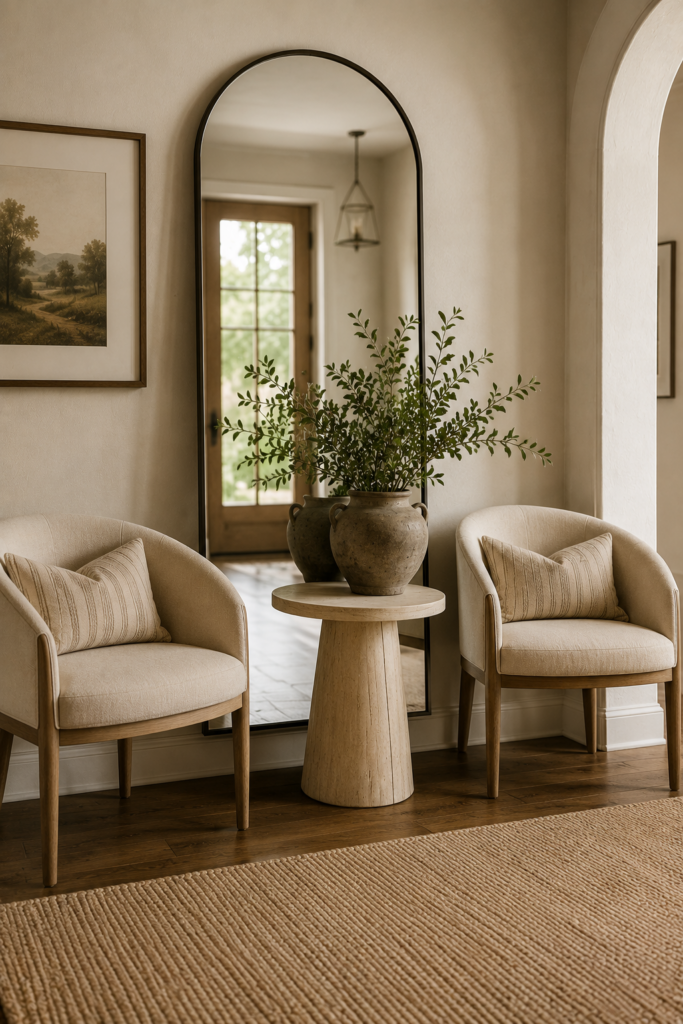
4. Wood Tones and Finishes Get Extra Attention From Me
If you love warm, natural interiors, you probably already know where I’m going with this.
The wood tone that looks warm and softly aged in one photo can look orange in another. A finish described as natural can lean gray. Something that looks matte and beautiful in the styled image can appear much shinier in a close-up customer photo.
Wood is one of the reasons I rarely buy from the first photo alone.
I look at every image. I zoom in. I compare the listing photos with customer photos. If a piece is available in several finishes, I make sure the reviews I’m reading are actually for the colour I’m considering.
I also think about what the piece will sit beside.
I don’t need every wood tone in a room to match—in fact, I usually prefer when they don’t—but I do want them to feel like they belong in the same conversation.
For my own home, I’m usually drawn to warm browns, natural finishes and pieces that have some texture or character. I’m more cautious with anything that looks overly orange, very gray-washed or too shiny.
That doesn’t make those finishes wrong.
They’re just not usually right for me.
A Few Home Finds That Have Caught My Eye
I’m naturally drawn to warm woods, interesting texture and pieces that feel collected rather than overly matchy. I save the furniture and home finds that make me stop scrolling in my Amazon storefront so I can find them again—and so you can browse them too.
Once I’ve studied the finish, I want to see the product somewhere much less perfect than a professionally styled room.
That is when customer photos become incredibly useful.
5. Customer Photos Are My Reality Check
Customer photos have talked me into products—and out of them.
They show me things the listing photos often can’t:
- how large a piece looks in an ordinary room
- how the colour changes in different lighting
- whether a fabric has more texture than I expected
- how full curtains actually look
- whether furniture looks sturdy
- what the sides and back look like
- whether a finish still looks convincing up close
I particularly like photos where the product is not perfectly styled.
Those are often the most useful ones.
But I don’t automatically reject a product because one customer photo looks terrible either.
Sometimes the lighting is bad. Sometimes the room colour changes the way the finish reads. And sometimes—there is no polite way to say this—the styling is the problem, not the product.
I try to look for patterns.
If one person says a wood finish looks orange, I keep reading. If 30 people say it looks orange, I pay attention.
And once I’ve seen how the product looks outside the perfectly styled listing photos, I head to the reviews.
But I don’t read hundreds of them from top to bottom anymore.
6. I Search Reviews for the Words That Matter to Me
A five-star rating tells me that many people like a product.
It doesn’t necessarily tell me whether I will like it.
So instead of reading review after review, I search for the words connected to whatever I’m worried about.
For furniture, I might search:
sturdy, wobbly, assembly, colour, heavy, doors, drawers
For upholstered furniture:
firm, cushions, pilling, scratchy, comfortable
For rugs:
shedding, curling, thin, washable, printed
For curtains:
sheer, width, colour, wrinkles, blackout
And after my comforter experience, you can probably guess what I’ll search when I buy bedding:
hot, breathable, cool, pilling, soft
This saves me so much time.
It also reminds me that two people can give the exact same product completely different ratings because they wanted different things from it.
Someone may love a very firm chair.
Someone else may hate it for the exact same reason.
Good reviews matter, but the most helpful reviews are the ones that answer my specific question.
For smaller decor, that is often enough information for me to make a decision.
Furniture is different.
The bigger the box—and the harder the return—the more questions I ask.
7. Furniture Gets an Extra Round of Questions
I want to buy more furniture online because the selection is incredible, but I’m much more careful with it than I am with a vase or lamp.
A return is one thing when I can carry the box to my car.
A cabinet is another story.
Before ordering furniture online, I check the measurements again. Then I look at the weight, the assembly instructions if they are available, and the reviews specifically mentioning assembly.
I want to know:
- Do the doors line up?
- Do the drawers actually function well?
- Does it wobble?
- Is the back finished if it will be visible?
- Is the piece heavy enough for the job I want it to do?
- Do multiple reviewers mention the same problem?
- What would returning it actually involve?
This is also where I try to be realistic about price.
I don’t expect an inexpensive sideboard to be a handcrafted antique. But I do expect it to look good, function properly and feel worth what I paid.
Furniture Finds I Would Look at Twice
I’m not suggesting I own every piece below, but these are the kinds of furniture finds that make me stop and look twice. Each one has something I’m drawn to—but I would still check the measurements, materials and customer photos before ordering.
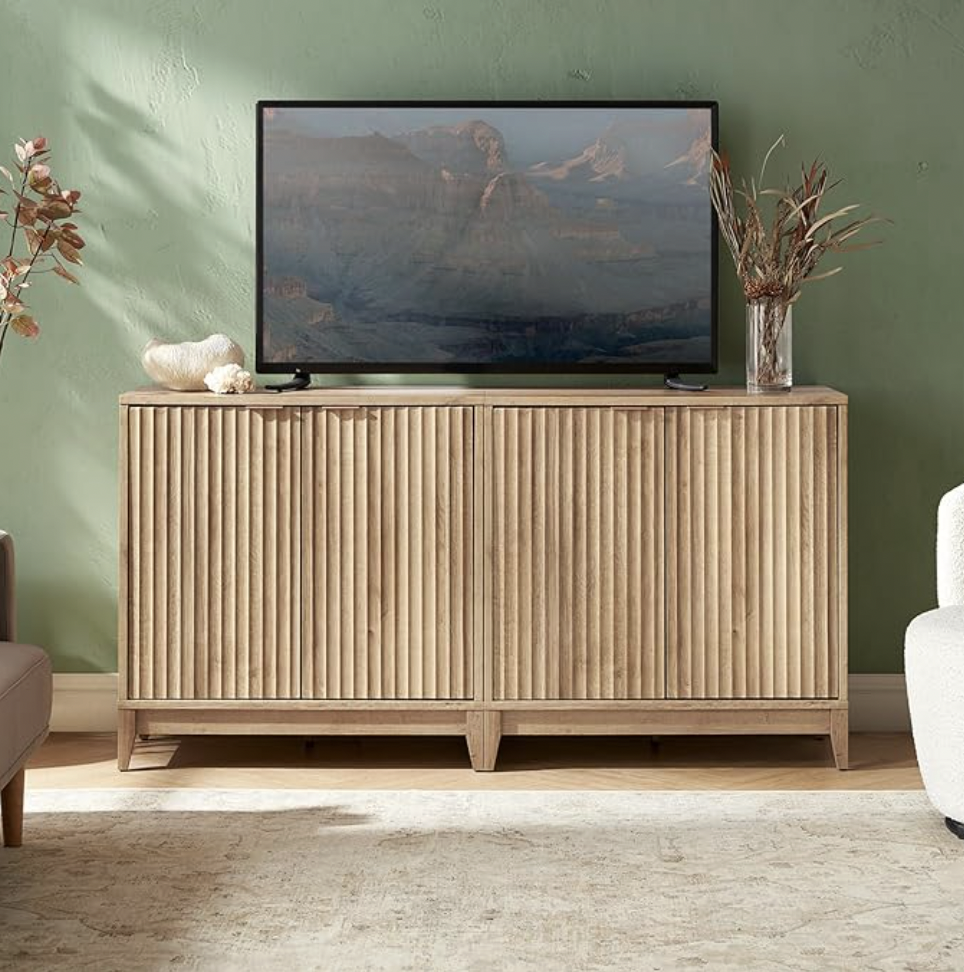
Why it caught my eye:
I like the warmer finish and the simple shape. I would use one or two in an entryway or family room, but I would double-check the height before ordering.
Furniture may get the longest checklist, but rugs and curtains can be just as misleading online.
And I’ve learned that both deserve their own rules.
8. Rugs and Curtains Have Their Own Rules
I won’t go too deeply into either one here because I recently created full guides for both.
With rugs, I want to know whether I’m looking at a printed or woven design, the pile height, the backing and whether I’ll need a rug pad. And before I fall in love with the pattern, I make sure the size actually works with my furniture.

Curtains are similar.
The fabric matters, but so does the amount of fabric. I check the width of each panel, how many panels are included, the opacity and how the fabric looks with actual daylight behind it.
A single curtain panel can look beautifully full in a tightly cropped product photo and surprisingly skimpy across a real window.
How High and Wide Should Curtains Be Hung? A Simple Curtain Measuring Guide
I covered the measuring side in much more detail there, so I won’t repeat it all here.
Once I’ve checked all the practical details, I ask myself one final question.
And it has nothing to do with reviews, measurements or materials.
9. I Ask Where It Will Actually Live
This question has saved me from plenty of random purchases.
Where, exactly, am I going to put this?
Not “somewhere in the living room.”
Where?
Beside which chair? On which wall? What will sit on top of it? What do I already own that will be near it?
If I can’t picture the answer, I usually wait.
I also ask myself:
- Do I already own something similar?
- Is this solving a problem?
- Am I buying it because I genuinely like it or because I keep seeing it everywhere?
- Would I still want it if it stopped trending tomorrow?
I don’t always make the practical choice. Sometimes I just love something.
I think that is allowed too.
But I’ve become much better at recognizing the difference between a piece I genuinely want in my home and something I simply enjoyed looking at for 30 seconds.
The pieces that make it through all of those questions are the ones I keep thinking about.
And lately, I’ve been trying to save fewer random pretty things and more pieces I can actually picture working in a real home.
10. The Home Finds Currently Passing My Test
After all that checking, measuring and review-reading, these are the kinds of pieces that still make me stop and look twice. I’m drawn to warm woods, interesting shapes, soft lighting and simple details that can make a room feel more collected over time.
I don’t personally own every piece below, so I’m not calling them tried-and-tested favourites. They are simply finds that have caught my eye and passed enough of my initial checks to make my shortlist. I would still check the measurements, materials and most recent reviews before ordering—exactly as I’ve talked about throughout this article.
Furniture I Keep Coming Back To

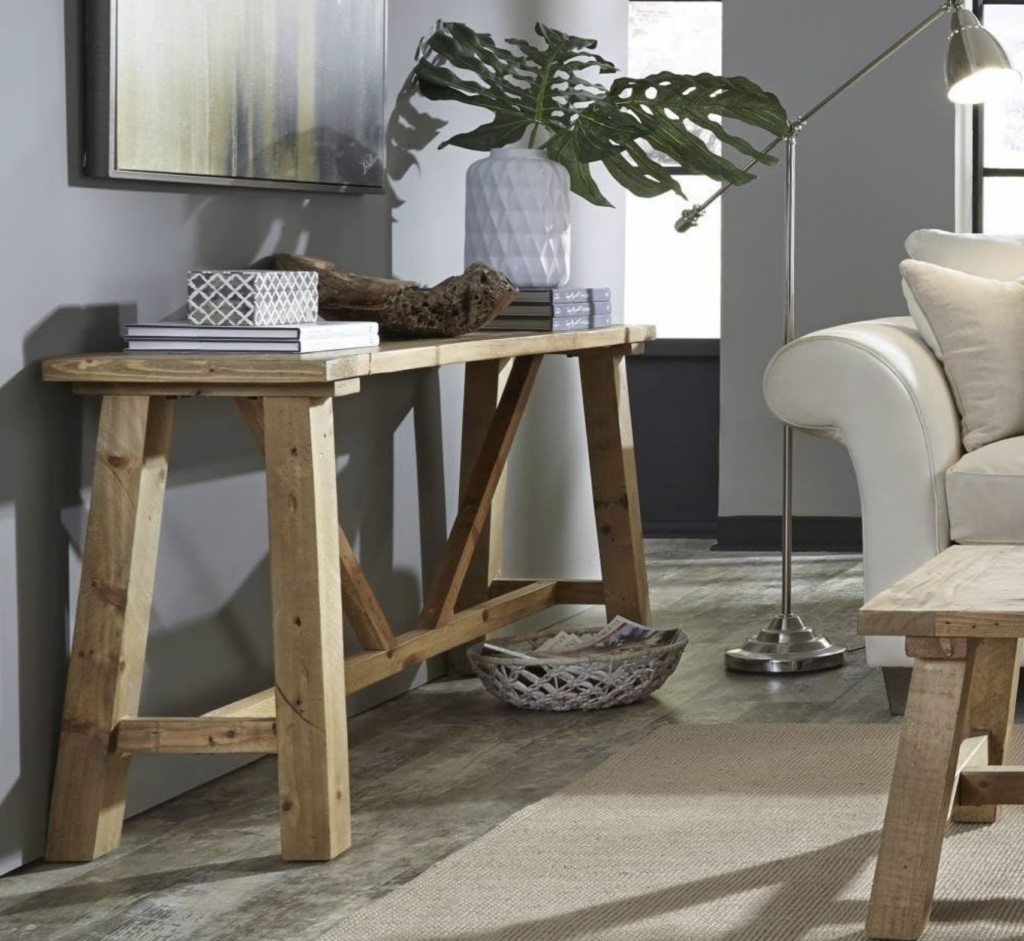

Why these caught my eye: I love the natural texture of the woven chairs, the simple shape and warm wood tone of the console table, and the softer curves of the arched cabinet. They all feel interesting without being overly trendy, and each could add warmth and character to a room without making it feel too matchy. These are exactly the kinds of pieces that make me stop scrolling—but I would still check the dimensions, materials and customer photos before ordering.
Lighting That Adds More Than Just Light
Why these caught my eye: I already have the sconce lights in my living room above the fireplace, and they elevated the space so nicely. I’ve always loved the soft glow of under-cabinet lighting in a kitchen or dining area; mine is hardwired, but if it weren’t, I would definitely consider a cordless option. The picture light is on my own wish list for our powder room—once I can finally decide which piece of my late uncle’s art to hang there. I have so many to choose from that I’m now tempted to create a small gallery wall instead!
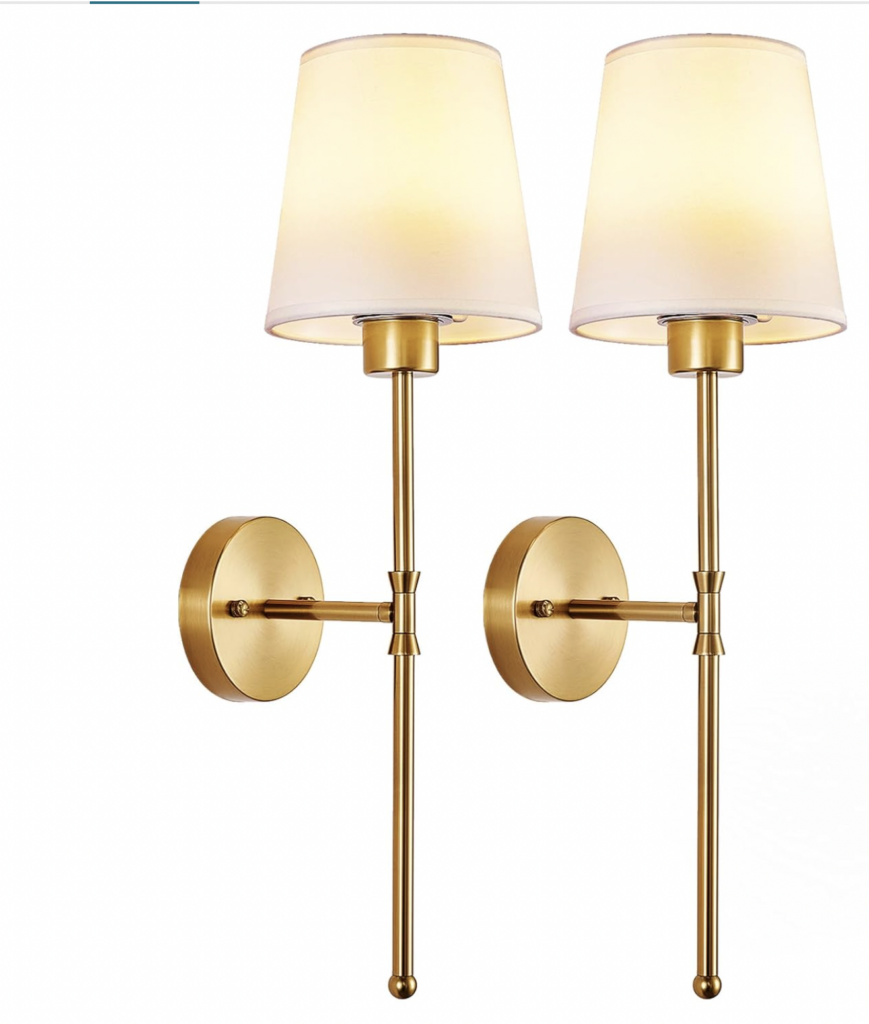

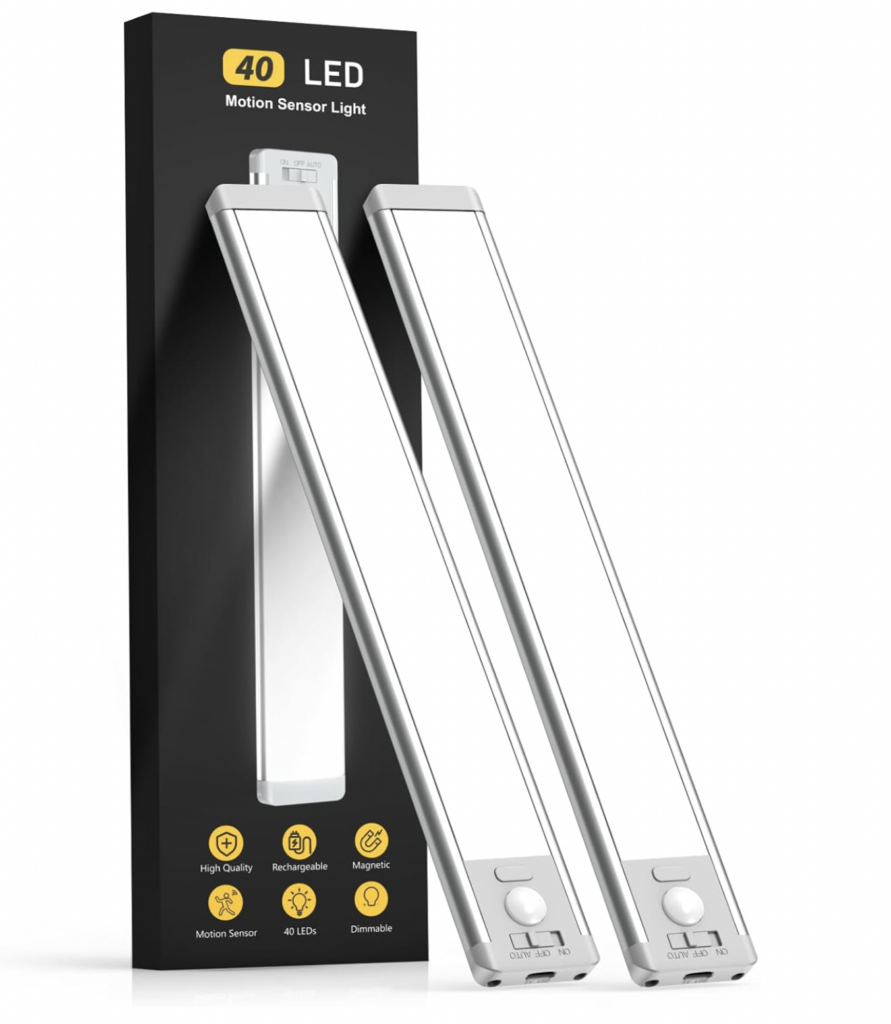
If you love the look of beautiful lighting but don’t have an outlet where you need one, I’ve also rounded up some of my favourite ways to add light without hardwiring or calling an electrician. You might like my article about: Cordless lighting ideas that elevate your home.
Rugs and Textiles Worth a Closer Look
Rugs and textiles are where I love to bring in softness, texture and a little more personality. I’m usually drawn to warm neutrals, subtle patterns and pieces that can work with what I already own rather than forcing me to rethink the entire room. These are the kinds of finds I would look at more closely—but as always, I’d check the materials, measurements and customer photos before ordering.


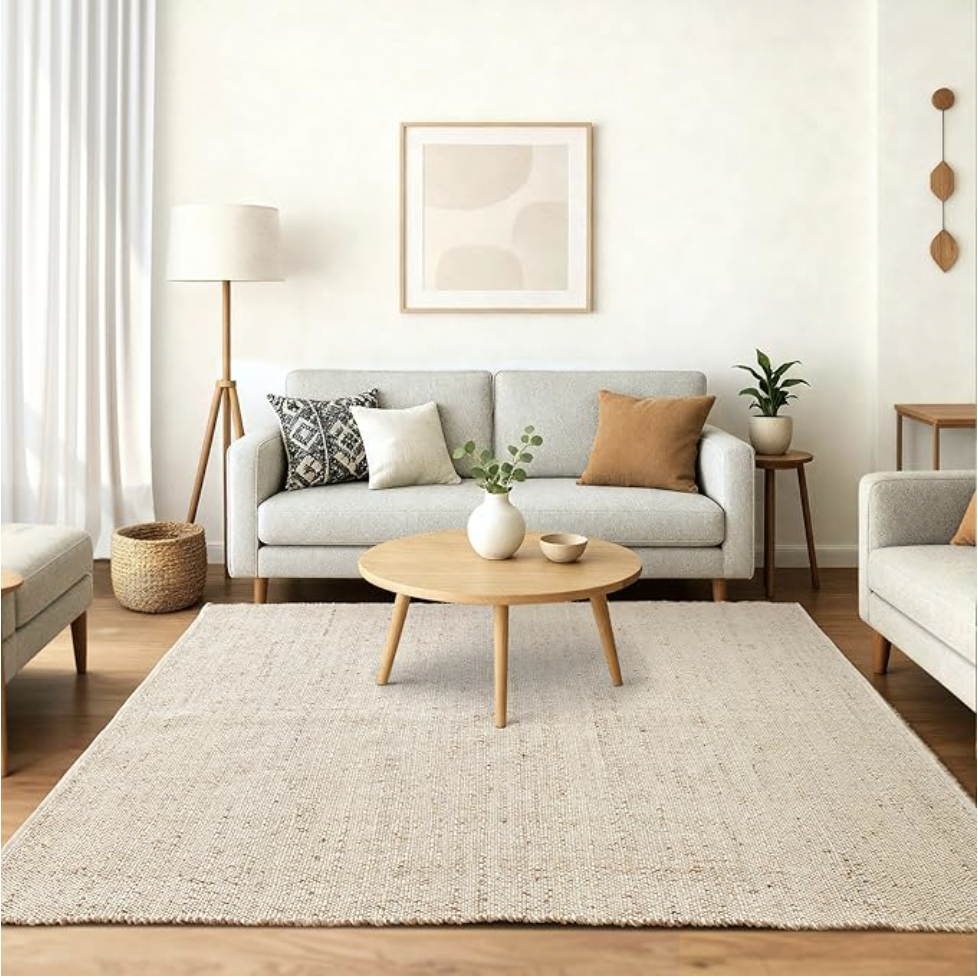
Why these caught my eye: I’ve always loved a neutral rug, and I’m convinced the right one can work through years of decorating changes. I bought ours from a local retailer years ago, and even though the store is sadly no longer in business, I may never replace the rug! It worked with our previous decor and still works with our home today. Because our living room opens onto the kitchen and dining area, hallway, TV room and front entry, the neutral colour helps everything flow together. Our floors are quite dark, so the rug also lightened the room without the cost of changing the flooring and grounded the space under our couch and loveseat. That is exactly what catches my eye about these three—they each have enough texture or subtle pattern to be interesting, while still feeling neutral enough to live with for years.
The Finishing Pieces I’d Mix In
Some pieces don’t fall neatly into one category, but they can completely change how a room feels. I’m drawn to versatile finds that can fill an awkward spot, create a little moment in a hallway or help finish a room without adding clutter.
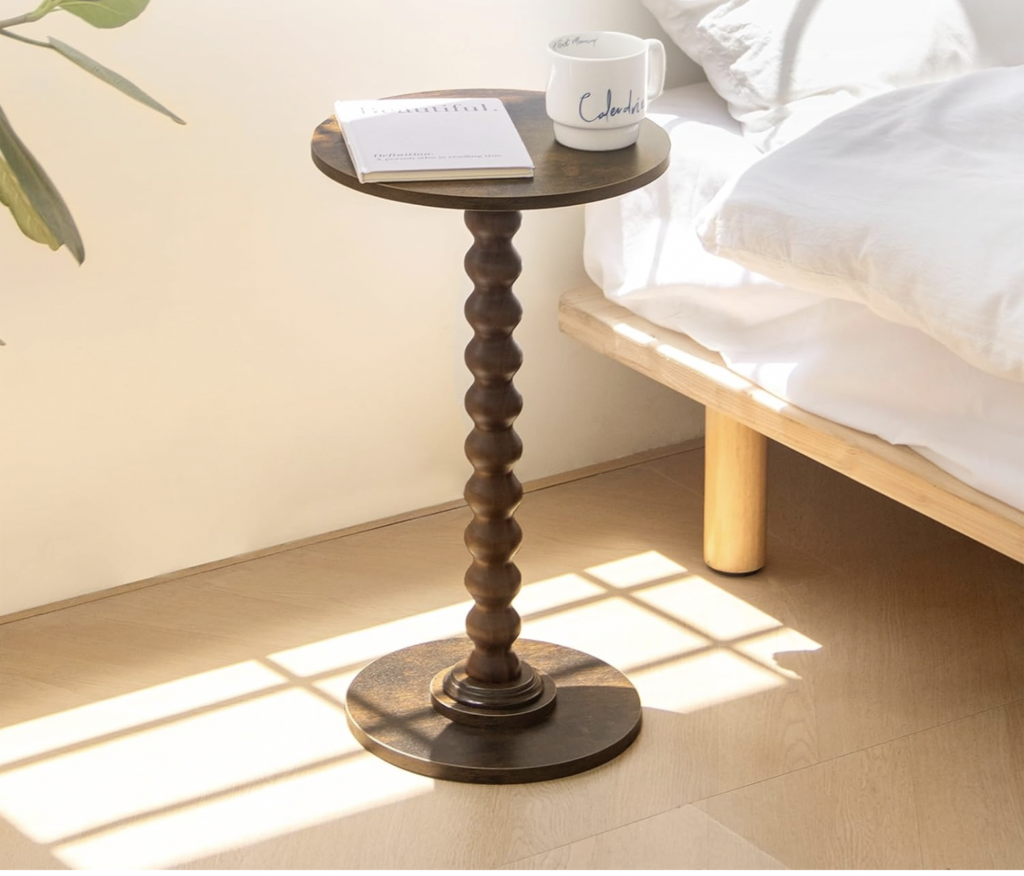


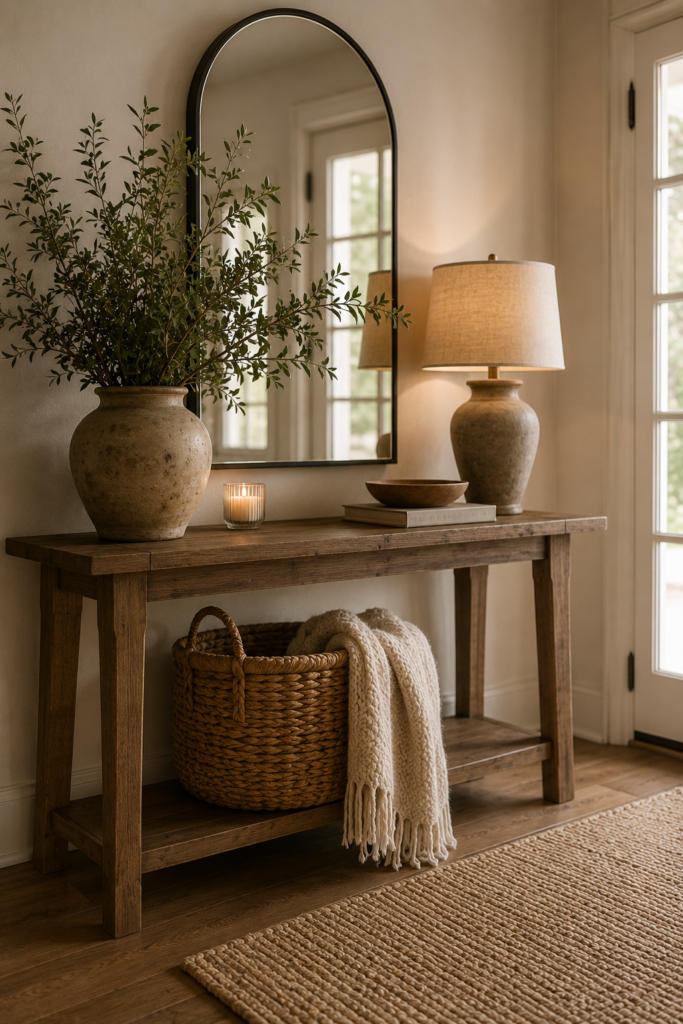
Why these caught my eye: I’m always drawn to smaller furniture pieces that can create a moment in a room rather than simply fill an empty space. I love the look of two matching chairs with a pedestal table between them, and I could also picture the pedestal table on its own at the end of a hallway, styled in front of a tall mirror with a vintage pot and some simple greenery. The round side table has that same versatility—it could work beside a sofa or between two chairs, with the lower shelf adding another spot for a basket or a few favourite pieces. And I will always love a large arched mirror above a rustic entryway table, styled with a substantial pot of greenery and a lamp, then finished with a rattan basket underneath and a cozy blanket spilling over the side. These are the kinds of pieces that catch my eye because I can immediately imagine where and how I would use them.
update my Amazon storefront as I find pieces I genuinely like, so if you want to see what else is catching my eye, you can browse all of my current home finds in one place.
Questions I’m Often Asked About Buying Home Decor Online
What should I check before buying furniture online?
Start with the exact dimensions, then compare them with a piece you already own. I also check materials, weight, assembly reviews, customer photos and the return process. The harder a piece will be to return, the more time I spend researching it before ordering.
How can I tell if home decor will look cheap in person?
I look beyond the styled photos and pay close attention to materials, finishes, seams, hardware and customer photos taken in ordinary homes. I also search the reviews for specific concerns rather than relying only on the overall star rating.
Are customer photos more reliable than product photos?
I think they are incredibly useful, but I look for patterns rather than judging a product from one photo. Different lighting, wall colours and styling can completely change how something looks. If the same issue appears repeatedly, that is when I pay attention.
What home decor items are hardest to buy online?
For me, furniture, rugs, curtains and bedding require the most research. Scale, colour, texture and comfort can all be difficult to judge through a screen. They are also the categories where checking the full product details matters most.
Final Thoughts
I still get it wrong sometimes.
I’m sure I’ll order something else that looks perfect on my screen and leaves me wondering what I was thinking when it arrives.
But I’m much better at slowing down, looking past the pretty photo and checking the details that actually matter.
My white comforter may be heading to the spare room, but at least it taught me something.
Lightweight does not mean breathable.
And a page full of great reviews does not necessarily mean a product is right for me.
I still love shopping for home decor online. I still get excited when I find something beautiful. I just try to make myself pause between I love it and Add to Cart.
Most of the time, anyway.
What is the biggest home decor disappointment you’ve ever ordered online? Was it too small, the wrong colour—or nothing like the photo? I would love to know I’m not the only one who has been fooled by a very convincing product photo.
You Might Also Love
What Size Rug Do I Need? A Simple Living Room Rug Size and Placement Guide
How High and Wide Should Curtains Be Hung? A Simple Curtain Measuring Guide
Leave a Reply