
When it comes to weight loss, the market is flooded with supplements promising quick and dramatic results. However, not all of them are safe or effective. To help you navigate this landscape, we’ve compiled a list of the top five weight loss supplements that are backed by scientific research and considered safe for most individuals. Remember, supplements should complement a healthy diet and exercise, not replace them.
This post may contain affiliate links, meaning I get a commission if you decide to make a purchase through my links, at no cost to you.
1. Green Tea Extract
Green tea extract is a popular ingredient in many weight loss supplements, and for good reason. It contains a potent antioxidant called EGCG (epigallocatechin gallate) that boosts metabolism and helps the body burn fat more efficiently.
- How it works: EGCG enhances fat oxidation, especially during exercise. It also has a mild thermogenic effect, increasing calorie burn.
- Scientific support: Studies have shown that green tea extract can help with weight loss and fat reduction, particularly in the abdominal area.
- Dosage: Most studies use 250-500 mg of green tea extract per day.
- Safety: Generally safe but avoid excessive doses, which can lead to side effects like jitteriness or digestive issues.
2. Garcinia Cambogia
Garcinia Cambogia, a tropical fruit, has gained attention for its active ingredient, hydroxycitric acid (HCA), which is believed to aid weight loss.
- How it works: HCA may suppress appetite by increasing serotonin levels and inhibit fat storage by blocking an enzyme called citrate lyase.
- Scientific support: While results are mixed, some studies suggest modest weight loss benefits when combined with a healthy lifestyle.
- Dosage: Typically 500-1000 mg of HCA taken 30-60 minutes before meals.
- Safety: Safe for most people, but some may experience mild digestive discomfort.
3. Conjugated Linoleic Acid (CLA)
CLA is a naturally occurring fatty acid found in meat and dairy products. It has been shown to reduce body fat while preserving lean muscle mass.
- How it works: CLA influences enzymes and proteins involved in fat breakdown and storage.
- Scientific support: Research indicates that CLA can lead to modest fat loss over time.
- Dosage: 3-6 grams per day, divided into multiple doses.
- Safety: Generally well-tolerated, though high doses may cause digestive issues.
4. Caffeine
Caffeine is more than just a morning pick-me-up. It’s a well-known metabolism booster and can enhance fat burning.
- How it works: Caffeine stimulates the nervous system, increasing levels of adrenaline and promoting fat release from fat tissues.
- Scientific support: Numerous studies support caffeine’s ability to enhance fat oxidation and improve exercise performance.
- Dosage: 100-400 mg per day, depending on individual tolerance.
- Safety: Excessive intake can lead to side effects like insomnia, jitteriness, or increased heart rate.
5. Fiber Supplements
Fiber supplements like glucomannan and psyllium husk can aid weight loss by promoting a feeling of fullness and reducing calorie intake.
- How it works: Soluble fiber absorbs water in the gut, forming a gel-like substance that slows digestion and keeps you feeling full longer.
- Scientific support: Studies have shown that glucomannan, in particular, can lead to modest weight loss when taken before meals.
- Dosage: 1-3 grams of glucomannan taken 30 minutes before meals.
- Safety: Safe for most people, but adequate water intake is essential to prevent choking or blockages.
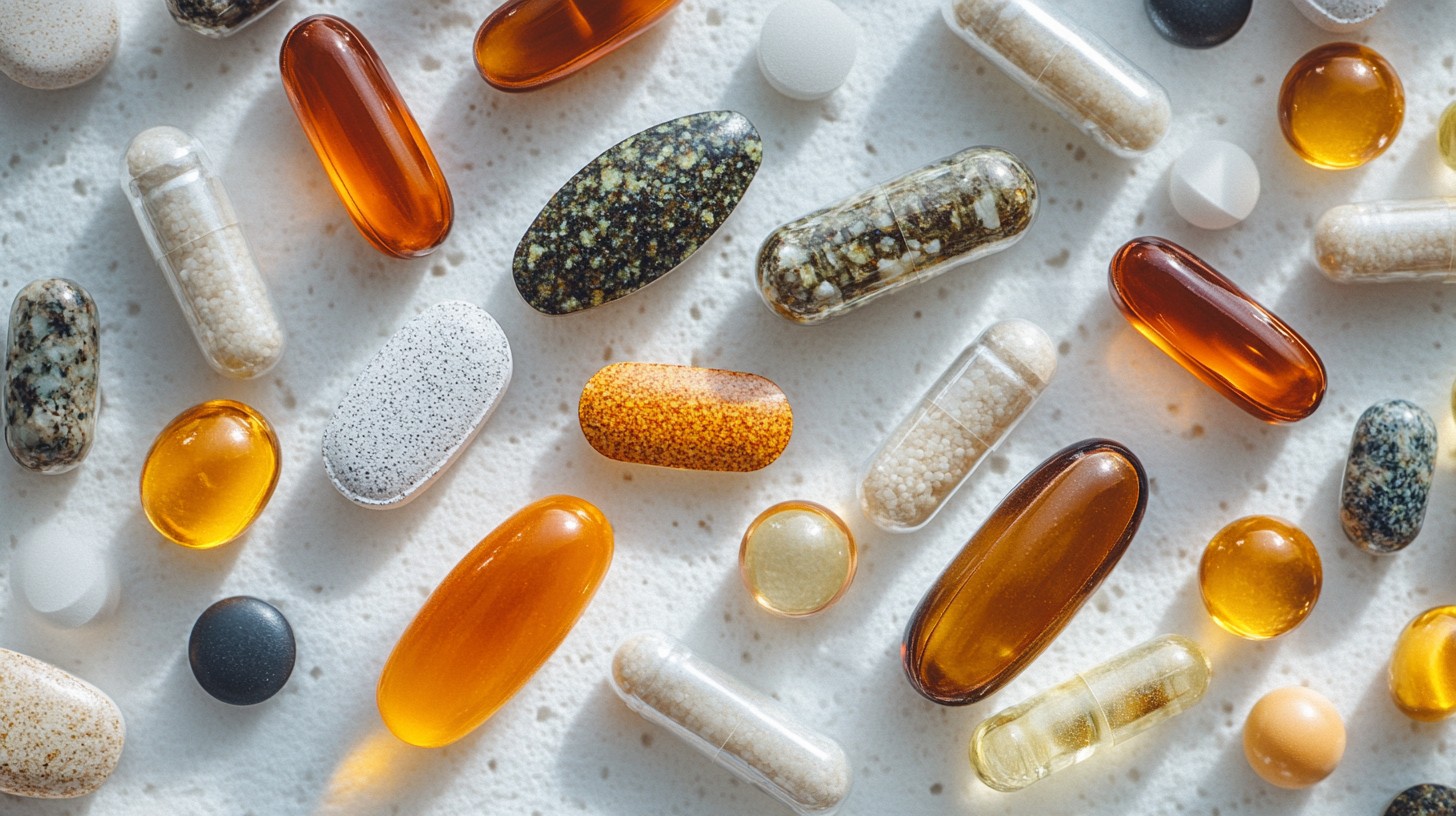
How to Choose the Right Supplement for Your Goals
With so many options available, how do you decide which supplement is right for you? Here are some key factors to consider:
1. Understand Your Goals
Are you looking to reduce fat, curb your appetite, or boost your metabolism? Different supplements target different aspects of weight loss. For instance:
- If you need help with portion control, fiber supplements like glucomannan can help.
- If you’re focused on burning fat, green tea extract or caffeine might be more effective.
2. Consider Your Health Conditions
Certain supplements may not be suitable for individuals with specific health conditions. For example:
- Caffeine can exacerbate anxiety or heart conditions.
- Garcinia Cambogia might not be suitable for those with liver issues.
3. Check for Interactions
If you’re on medication, consult your doctor to ensure the supplement won’t interfere with your treatment. For instance, green tea extract can affect blood-thinning medications.
4. Research the Brand
Choose reputable brands that prioritize quality and safety. Look for third-party testing and certifications to ensure the product contains what it claims.

The Science Behind Weight Loss Supplements
It’s essential to understand the science behind how weight loss supplements work. Here are the main mechanisms:
1. Appetite Suppression
Some supplements, like fiber or Garcinia Cambogia, help reduce hunger by promoting a feeling of fullness or altering hunger hormones.
2. Fat Burning
Supplements like green tea extract and caffeine increase the rate at which your body burns fat, especially during exercise.
3. Reduced Fat Absorption
Certain supplements block the absorption of fat in the digestive tract, reducing overall calorie intake. However, this can sometimes lead to side effects like digestive discomfort.
4. Metabolism Boosting
Thermogenic supplements increase your metabolic rate, helping you burn more calories even at rest.

Do You Even Need Supplements? A Holistic Perspective
While supplements can support your weight loss journey, they’re not a magic solution. A balanced diet and regular exercise remain the foundation of any successful weight loss plan. Here are some additional tips to consider:
1. Prioritize Whole Foods
Supplements should fill gaps in your diet, not replace nutrient-dense foods. Focus on lean proteins, whole grains, fruits, and vegetables.
2. Stay Active
Exercise not only burns calories but also helps build muscle, which boosts your resting metabolism.
3. Sleep and Stress Management
Poor sleep and high stress can sabotage weight loss efforts by increasing hunger hormones and cravings.
4. Monitor Your Progress
Track your weight loss journey to see if the supplements are making a difference. Adjust your approach as needed.
Conclusion
Weight loss supplements can be a helpful tool when used wisely and responsibly. By choosing science-backed options, understanding your goals, and maintaining a holistic approach to health, you can maximize your chances of success. Always consult with a healthcare provider before starting any new supplement to ensure it’s safe and appropriate for your individual needs.
Disclaimer: The information is for informational purposes only and is not intended as a substitute for professional medical advice.
Leave a Reply