I recently decided it was time to freshen up our bedding. Nothing dramatic—just a simple, clean update. I went with a white comforter (because… of course I did) and a new set of sheets. I was picturing that light, airy, “hotel but better” kind of feel.
Well… that’s not exactly how it played out.
The comforter? Looks beautiful. Feels soft. But somehow manages to trap heat like it’s its full-time job. And the sheets? Let’s just say they’re not exactly fitting the way I had hoped. Slightly oversized, a bit loose, and now I’m quietly hoping they shrink just enough to redeem themselves.
The frustrating part is—none of this was a total surprise. The information was there. I just didn’t pay close enough attention to materials, sizing, and what actually works for how we sleep.
And if you’re anything like me, you’ve probably done the exact same thing.
So before you order your next set of bedding thinking it’s going to fix everything (and then end up kicking the covers off at 2am), here are a few mistakes worth avoiding—and what to look for instead.
Lately I’ve been focusing on creating a more calm, elevated feel in our space overall—and bedding is such a big part of that. It’s the same idea I used when pulling together my tiny retreat setup.”
👉https://sharmedlife.com/tiny-retreat-living-solo-weekend/
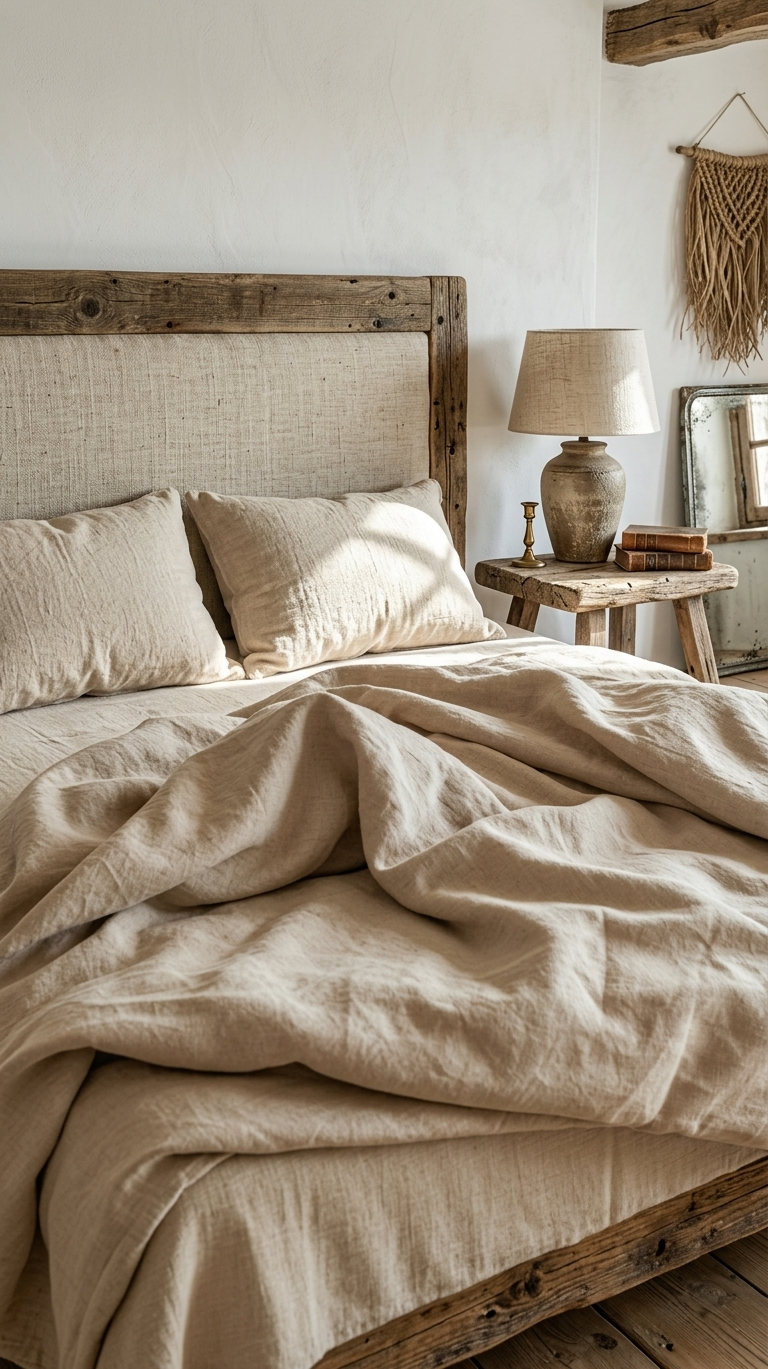
🚨 THE BEDDING MISTAKES THAT RUIN YOUR SLEEP
1. Choosing Looks Over Material
I’ll go first—because this is exactly what I did.
That crisp white comforter? It looked perfect. Clean, simple, elevated… everything I wanted visually. But what I didn’t think enough about was how it would actually feel to sleep under.
Here’s the thing: bedding can look beautiful and still be completely wrong for your body.
A lot of comforters—especially the softer, fluffier ones—are made with materials that trap heat. So even if the reviews say “cozy” and “comfortable,” that can easily translate to too warm if you already run hot.
And if you’re someone who tends to overheat at night (or sleep next to someone who does… Jason 😅), this becomes very noticeable, very quickly.
What actually matters more than how it looks:
- Breathability
- Fabric type
- Fill weight
For example:
- Polyester-heavy materials tend to hold heat
- Down alternative can still run warm depending on density
- Lightweight cotton or breathable blends are usually a better option
It doesn’t mean you can’t have that clean, elevated look—you absolutely can. You just need to pair it with materials that work with your body, not against it.
👉 If you’re looking for that balance, I’d focus on lightweight or “cooling” comforters made with breathable fabrics—they give you the same look without the 2am regret.
If you’re also working on your overall space, not just your bedding, I’ve been sharing a lot of simple ideas that make a home feel more put together without overcomplicating things.”
👉 https://sharmedlife.com/amazon-outdoor-decor-backyard-resort-small-space/
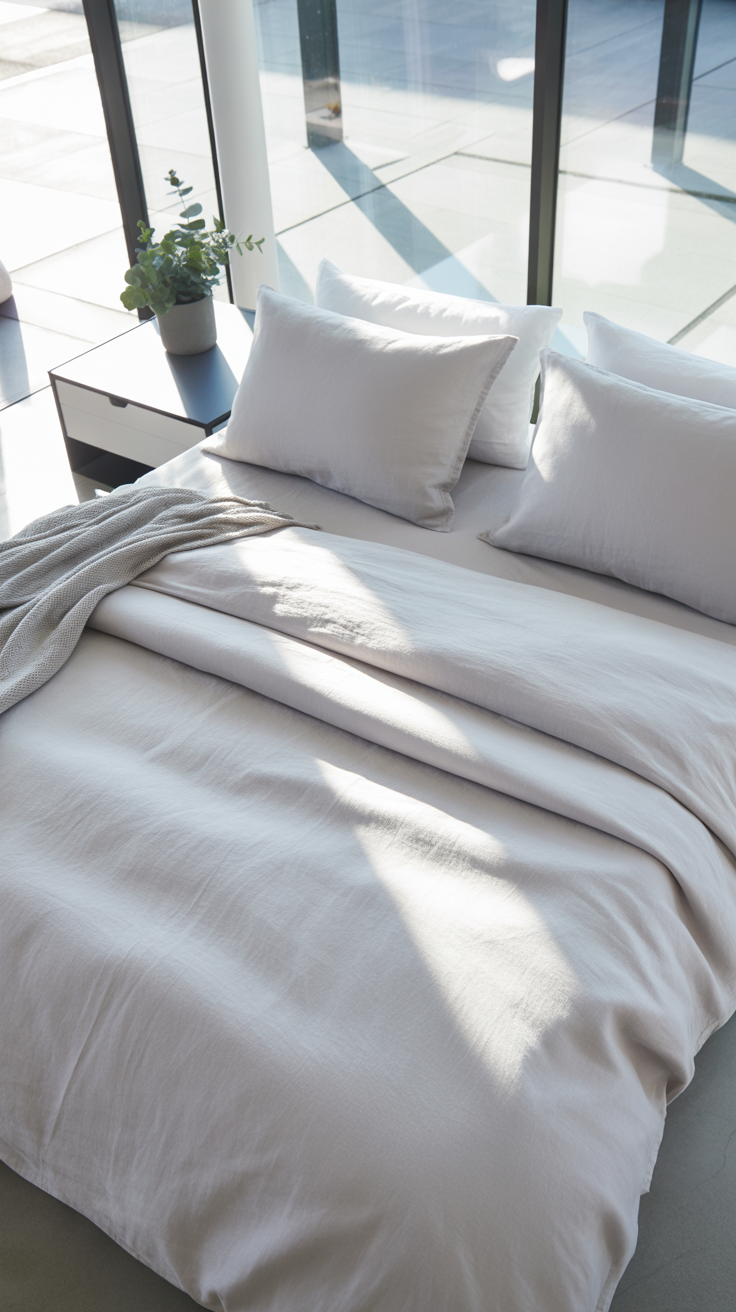
2. Ignoring the “Hot Sleeper” Factor
This one sounds obvious… until you’re lying there wondering why you’re suddenly overheating every night.
I already know I run warm. And Jason definitely has his “why is it so hot in here?” nights too. So realistically, a heavier comforter was never going to be the best choice for us.
But it’s easy to assume:
👉 “It’ll be fine”
👉 “It didn’t mention being hot in the reviews”
The problem is, most reviews don’t tell you how something feels over a full night’s sleep—or how it works for your body.
If you’re even slightly a warm sleeper, your bedding matters more than you think.
What actually helps:
- Lightweight comforters instead of thick, fluffy ones
- Breathable fabrics like cotton, bamboo, or linen
- Layering instead of one heavy piece
Because once you get this part right, everything changes—you sleep better, you wake up less, and you’re not constantly adjusting the covers.
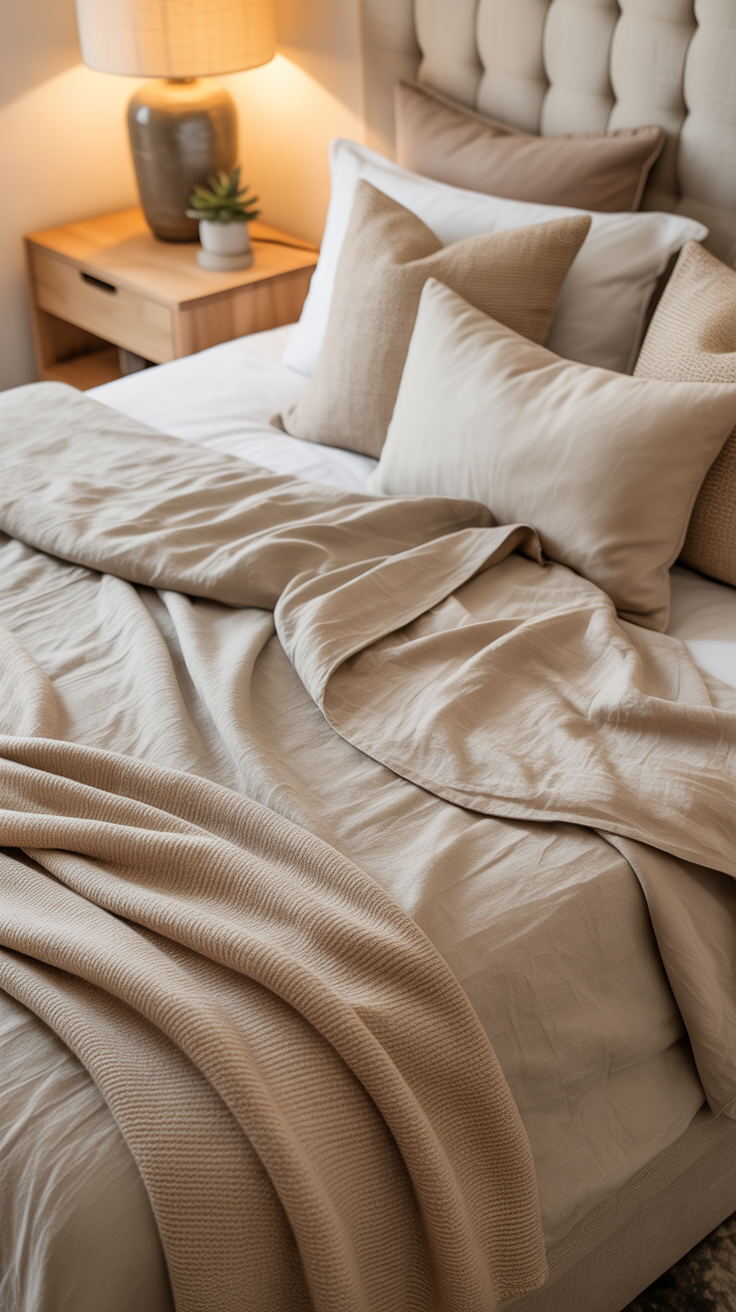
3. Not Checking Sheet Dimensions (This One Is on Me)
This is one of those small details that makes a bigger difference than you’d expect.
My sheets? Technically the right size… but not really.
They’re just loose enough to shift around, bunch slightly, and never quite sit the way they should. Not the end of the world—but definitely not that smooth, put-together bed you’re going for.
And the issue usually comes down to one thing:
👉 mattress depth
Most people don’t think about it—but they should.
If your sheets are:
- too shallow → they pop off
- too deep → they feel loose and messy
And if you have a mattress topper? That changes everything.
Quick tip (learn from my mistake):
- Measure your mattress height (including topper if you have one)
- Check the sheet pocket depth before buying
- Look for strong elastic if you want that “stays in place” fit
👉 It’s such a simple step—and it saves a lot of frustration later.
So if you’ve made one (or all) of these mistakes, don’t worry—you’re definitely not alone.
The good news is, once you know what to look for, choosing the right bedding becomes a lot easier—and a lot more comfortable.
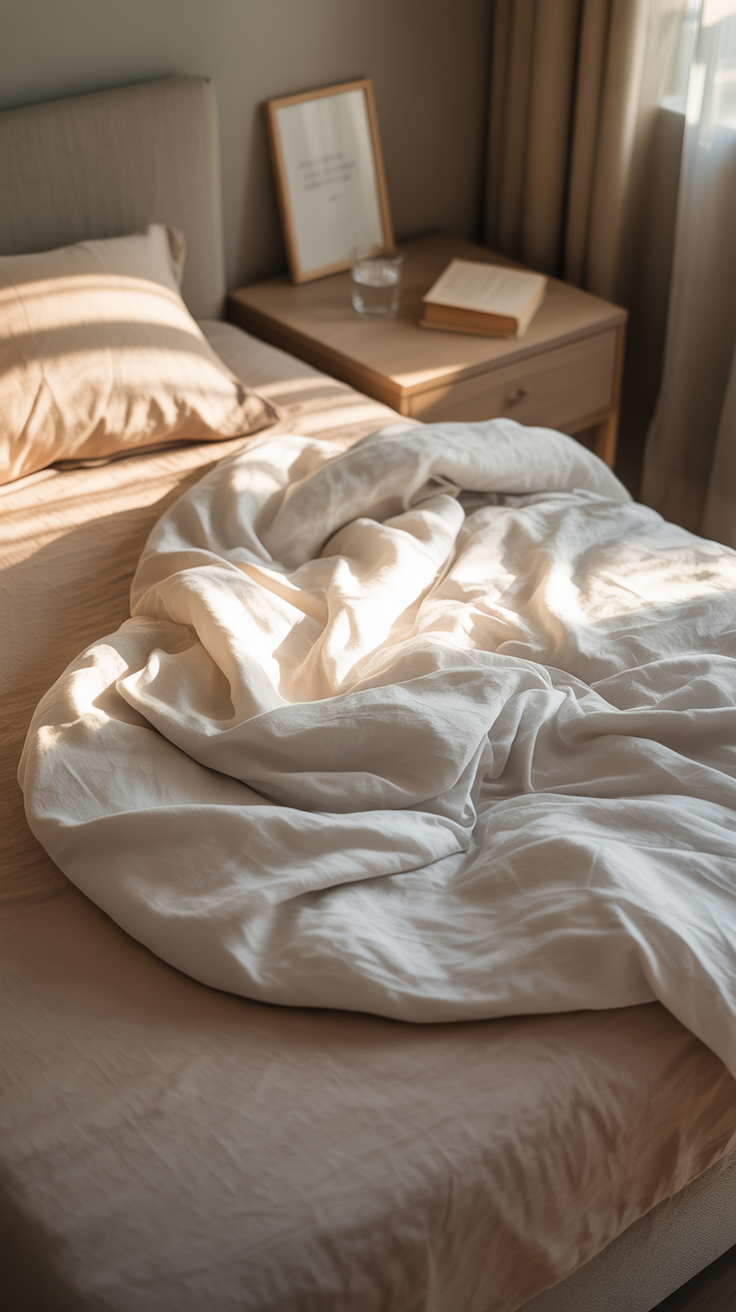
❄️ WHAT TO LOOK FOR INSTEAD (SO YOU ACTUALLY SLEEP COMFORTABLY)
At this point, you’re probably realizing it’s not just about picking something that looks nice—it’s about choosing bedding that actually works for how you sleep.
And once you know what to look for, it gets a whole lot easier.
✔ Focus on Breathable Materials First
If you run warm (or even just occasionally wake up feeling too hot), material matters more than anything else.
Some fabrics trap heat… others let your body breathe.
The ones that tend to work best:
- Cotton (especially percale): crisp, lightweight, and cool to the touch
- Bamboo: soft, breathable, and great for temperature control
- Linen: airy and relaxed, perfect for that effortless, layered look
What to be careful with:
- Heavy microfiber or polyester blends → they tend to hold heat
- Anything described as ultra plush or extra cozy → usually warmer than expected
👉 If your goal is cooler sleep, breathable always wins over soft-and-heavy.
✔ Choose Lightweight Over Fluffy
This was my mistake.
It’s easy to assume:
👉 fluffy = comfortable
👉 thick = better quality
But when it comes to sleep, especially if you run warm, that’s not always true.
A lightweight comforter will:
- regulate temperature better
- feel less heavy on your body
- still look full and styled (if you layer it properly)
Look for:
- “lightweight” or “all-season”
- breathable fill
- lower fill density
👉 You’ll still get that clean, elevated bed look—just without overheating halfway through the night.
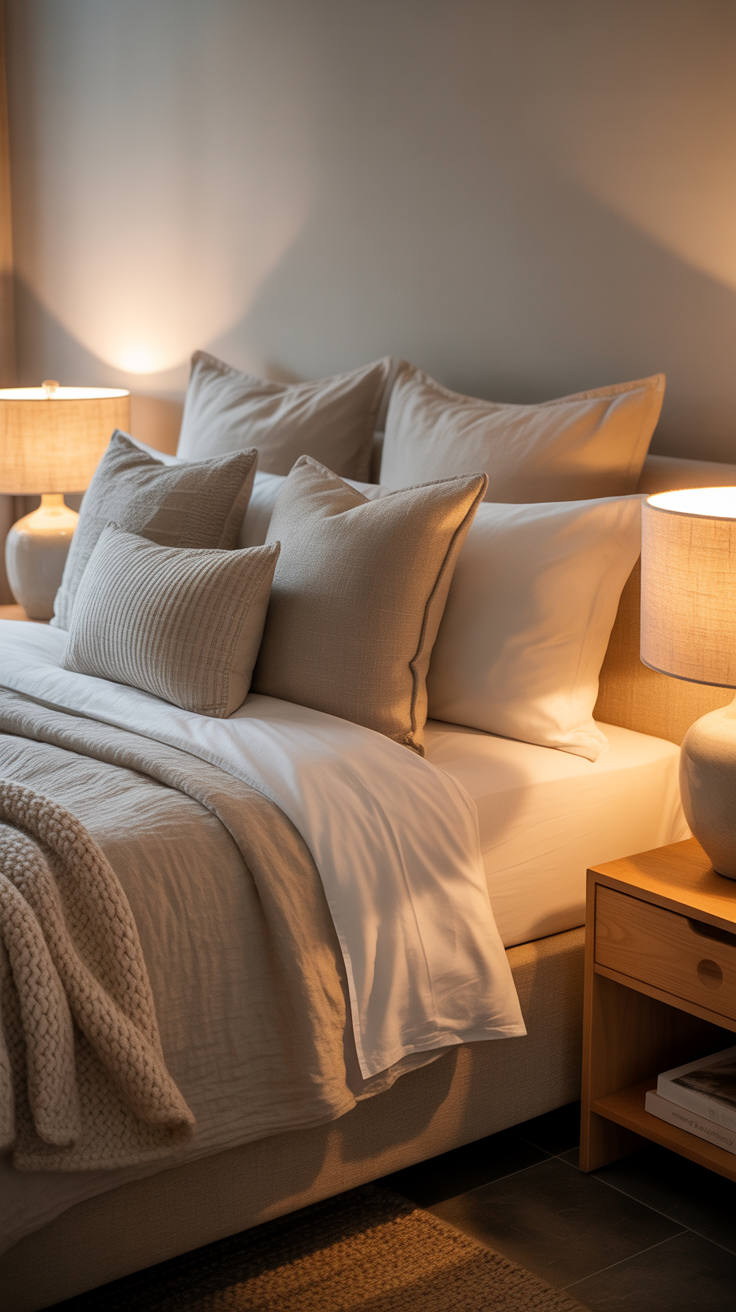
✔ Get Your Sheet Fit Right (It’s a Bigger Deal Than You Think)
This is one of those details that seems minor… until it’s not.
Sheets that don’t fit properly:
- shift around
- bunch up
- never look quite right
And once you notice it, you can’t unsee it.
What actually helps:
- Check your mattress height (including topper)
- Match it to pocket depth
- Look for strong elastic edges
👉 A properly fitted sheet instantly makes your bed feel more put together—and more comfortable.
✔ Think in Layers, Not Just One Piece
Instead of relying on one thick comforter to do everything, layering gives you way more control.
This works especially well if:
- your temperature changes at night
- you and your partner sleep differently
- you want that “styled bed” look
Simple layering idea:
- lightweight comforter
- breathable duvet cover
- optional throw or blanket
👉 It’s more flexible—and a lot more comfortable.
Layering your bed is very similar to how I approach outdoor spaces—adding texture, warmth, and simple pieces that work together instead of relying on one heavy item.”
👉 https://sharmedlife.com/tiny-retreat-series/
If you’re like me and just want to skip the guesswork, I’ve been saving the bedding pieces that actually make sense (and don’t leave you overheating halfway through the night 😅).
You can browse everything here:
👉 [Cooling Bedding Options]
I’ve grouped things by what actually works—cooling sheets, lightweight comforters, and simple upgrades that make a real difference.
🛍️ BEDDING THAT ACTUALLY WORKS (AND WHY)
This is where you guide them—without sounding pushy.
Keep it simple, curated, and honest.
🛏️ Cooling Sheets That Don’t Slide Around
If I could go back and redo one thing, it would be this.
Sheets make a bigger difference than you expect—especially if they’re breathable and fit properly.
What I’d look for now:
- lightweight cotton or bamboo
- fitted sheets with proper pocket depth
- something that stays in place (no constant adjusting)
👉 These are the kinds of sheets that feel better immediately—and still hold up over time.
☁️ Lightweight Comforters That Don’t Trap Heat
This is the big one.
You still want that clean, full, hotel-style look—but without waking up too warm.
What works better:
- lightweight or “cooling” comforters
- breathable outer fabric
- less dense fill
👉 It’s the difference between looking cozy… and actually being comfortable.
Lightweight or Cooling Comforter options:
- lightweight comforter – lightweight but still looks full
- breathable comforter – best for hot sleepers
Lately I’ve been focusing on creating a more calm, elevated feel in our space overall—and bedding is such a big part of that. It’s the same idea I used when pulling together my tiny retreat setup.”
👉 Tiny Retreat Decor
🌿 Optional Upgrades That Make a Difference
These aren’t essential—but they do help pull everything together.
- breathable duvet covers (adds style + comfort)
- cooling pillows
- lightweight throws for layering
👉 These are the small details that make your bed feel finished, not just functional.
You Might Also Love
- Tiny Retreat Decor Ideas That Make Small Spaces Look Expensive
- Amazon Outdoor Decor That Makes Your Backyard Feel Like a Resort
- Planter Box Ideas That Instantly Elevate Your Backyard
Final Thoughts
And when you get it right, it’s one of the easiest ways to make your home feel more comfortable, more put together, and honestly… just better to live in.
Bedding seems simple—until it’s not.
A comforter that runs too hot or sheets that don’t fit properly can completely change how you sleep (and not in a good way).
The good news is, once you start paying attention to materials, sizing, and how your body actually responds, it gets a lot easier to choose pieces that work.
As an Amazon Associate, I earn from qualifying purchases at no extra cost to you.
Leave a Reply