Fitness has become more than just a personal pursuit—it’s a global movement fueled by innovation, awareness, and the desire to live healthier lives. As we step into a new era, the fitness landscape continues to evolve, offering exciting trends and technologies that cater to diverse needs and goals. This article delves into some of the most impactful aspects of modern fitness, including protein powders, global foods, wearable technology, personalized and sustainable diets, functional foods and supplements, and healthy aging. Let’s explore how these elements contribute to a comprehensive approach to health and wellness.

Protein Powders: The Cornerstone of Fitness Nutrition
Protein is essential for muscle repair, recovery, and growth, making it a cornerstone of fitness nutrition. Protein powders have revolutionized how we consume this vital macronutrient, offering convenience and versatility. From whey and casein to plant-based options like pea, hemp, and brown rice protein, there’s a powder to suit every dietary preference and fitness goal.
The Evolution of Protein Powders
Modern protein powders go beyond basic nutrition. Many are now fortified with additional nutrients, such as probiotics for gut health, adaptogens for stress management, and even collagen for joint support. These enhanced formulations cater to the holistic needs of fitness enthusiasts.
Choosing the Right Protein Powder
Selecting the right protein powder depends on factors like dietary restrictions, fitness goals, and taste preferences. Whey protein is popular for its rapid absorption and complete amino acid profile, while plant-based powders are ideal for vegans and those with dairy sensitivities.
Global Foods: Expanding the Fitness Palate
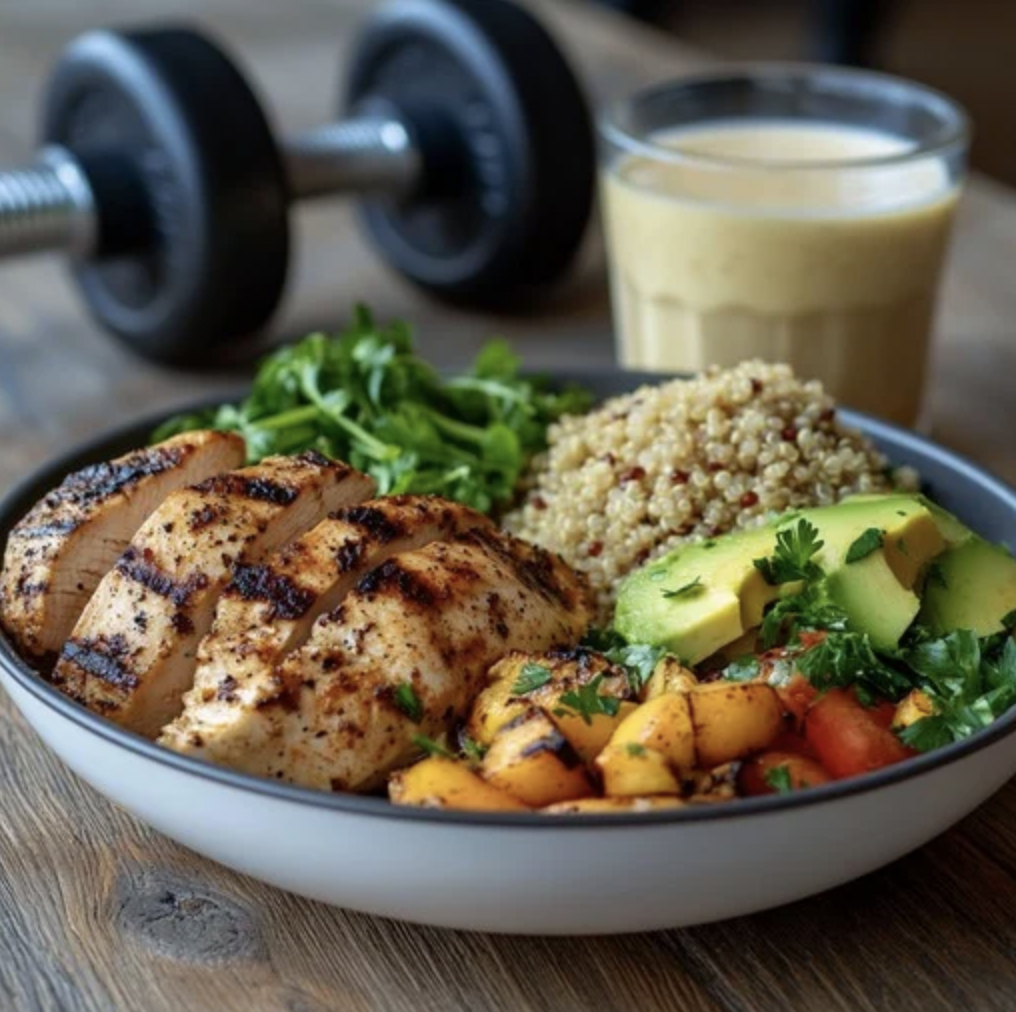
Fitness enthusiasts are increasingly looking beyond traditional diets to incorporate global foods that offer unique nutritional benefits. Ingredients and dishes from various cultures can enrich a fitness-focused diet while introducing diverse flavors.
Superfoods From Around the World
- Quinoa (South America): A complete protein source that’s rich in fiber and essential minerals.
- Turmeric (India): Known for its anti-inflammatory properties, turmeric supports recovery.
- Kimchi (Korea): A fermented food that promotes gut health and immunity.
- Chia Seeds (Mexico): Packed with omega-3 fatty acids, fiber, and protein, chia seeds boost energy and satiety.
Cultural Diets and Fitness
Incorporating elements of global diets, such as the Mediterranean’s emphasis on healthy fats or the Okinawan focus on longevity-promoting foods, can inspire balanced and sustainable eating habits.
Wearable Technology: Tracking Progress and Enhancing Performance

Wearable technology has transformed fitness by providing real-time data and personalized insights. Devices like fitness trackers, smartwatches, and heart rate monitors empower users to monitor their progress and optimize their routines.
Key Features of Wearables
- Activity Tracking: Count steps, track calories burned, and measure distance.
- Heart Rate Monitoring: Ensure you’re training in the optimal heart rate zone.
- Sleep Analysis: Understand sleep quality and its impact on recovery.
- Advanced Metrics: VO2 max, body composition, and recovery time provide deeper insights.
The Future of Wearable Tech
As technology advances, wearable devices are becoming more sophisticated, offering features like hydration tracking, stress management, and even AI-driven coaching. These innovations enable a more personalized and efficient fitness journey.
Personalized and Sustainable Diets: Beyond One-Size-Fits-All

The concept of personalization has gained traction in the fitness world, particularly when it comes to nutrition. Sustainable diets that cater to individual needs and environmental concerns are reshaping how we think about food.
Personalized Nutrition
Advances in technology, such as DNA testing and microbiome analysis, allow for highly personalized dietary recommendations. These insights can optimize nutrient intake, improve digestion, and support specific fitness goals.
Embracing Sustainability
Sustainable diets prioritize whole, minimally processed foods and reduce environmental impact. Plant-based eating, seasonal produce, and locally sourced ingredients align with both health and ecological goals, making fitness nutrition more responsible and impactful.
Functional Foods and Supplements: Targeted Solutions for Optimal Health

Functional foods and supplements bridge the gap between nutrition and medicine, offering targeted benefits for fitness enthusiasts. These products are designed to enhance performance, recovery, and overall well-being.
Popular Functional Foods
- Beetroot: Boosts nitric oxide levels, improving endurance and cardiovascular health.
- Tart Cherry Juice: Reduces inflammation and supports recovery.
- Matcha: Enhances focus and provides a sustained energy boost.
Supplements for Fitness
- Creatine: Improves strength and power.
- Branched-Chain Amino Acids (BCAAs): Supports muscle recovery and reduces soreness.
- Electrolytes: Prevent dehydration and maintain performance during intense workouts.
Healthy Aging and Fitness: Maintaining Muscle and Vitality

As we age, maintaining muscle mass and overall fitness becomes increasingly important for longevity and quality of life. Healthy aging strategies focus on preserving strength, mobility, and independence.
The Role of Resistance Training
Resistance training is crucial for combating age-related muscle loss (sarcopenia). Incorporating strength exercises into your routine not only preserves muscle but also improves bone density and metabolic health.
Nutrition for Healthy Aging
- Protein Intake: Adequate protein is vital for muscle repair and maintenance.
- Antioxidants: Combat oxidative stress and support cellular health.
- Omega-3 Fatty Acids: Reduce inflammation and support joint health.
Mind-Body Practices
Activities like yoga and tai chi promote flexibility, balance, and mental well-being, making them excellent additions to a fitness regimen aimed at healthy aging.
The Importance of Maintaining Muscle
Muscle health is fundamental to overall fitness and well-being. It’s not just about aesthetics—maintaining muscle mass supports metabolic health, mobility, and resilience against injury.
Benefits of Strong Muscles
- Increased Metabolic Rate: Muscle tissue burns more calories at rest, aiding weight management.
- Improved Insulin Sensitivity: Reduces the risk of type 2 diabetes.
- Enhanced Mobility and Strength: Supports daily activities and reduces the risk of falls.
Strategies for Muscle Maintenance
- Progressive Overload: Gradually increase resistance to challenge muscles.
- Adequate Rest and Recovery: Allow time for muscle repair and growth.
- Balanced Diet: Combine protein with other macronutrients for optimal results.
Conclusion
The future of fitness is dynamic, inclusive, and driven by innovation. By embracing trends like protein powders, global foods, wearable technology, personalized and sustainable diets, functional foods and supplements, and strategies for healthy aging, you can create a holistic approach to health and wellness. Whether you’re just starting your fitness journey or looking to enhance your routine, these elements provide the tools and inspiration needed to achieve your goals and live your healthiest life.
As an Amazon Affiliate, I earn from qualifying purchases at no extra cost to you.
Leave a Reply