Let’s get this out of the way first: this is not about having a perfectly organized home where nothing ever lands on the kitchen counter or the chair in your bedroom doesn’t slowly turn into a clothing collection.
Spring 2026 home decor trends are leaning toward something far more realistic — homes that feel mostly pulled together, function better day-to-day, and don’t require a full reset every Sunday night.
What’s trending right now is a mix of smart organization, flexible storage, and decor that quietly does its job without screaming, “Look how organized I am.” Below are ideas, products, and simple hacks I’ve been noticing everywhere lately — things that actually help a home feel calmer without turning it into a showroom.
No expertise required. Just thoughtful suggestions you can pick and choose from.
Why “Organized but Lived-In” Homes Are the Big Trend Right Now
The pressure to keep homes looking magazine-ready has worn thin. People still want beautiful spaces — they just don’t want to fight their house every day to maintain them.
Spring 2026 trends point to:
- fewer visible piles
- more hidden storage
- softer, calmer visuals
- organization that doesn’t feel like a second job
In other words, homes that forgive a little mess. The goal isn’t perfection. It’s less visual chaos when you walk into a room, even if life has been busy.
If you’re looking for similar pieces, I’ve gathered a small, current list of spring organization favorites at the end of the post.
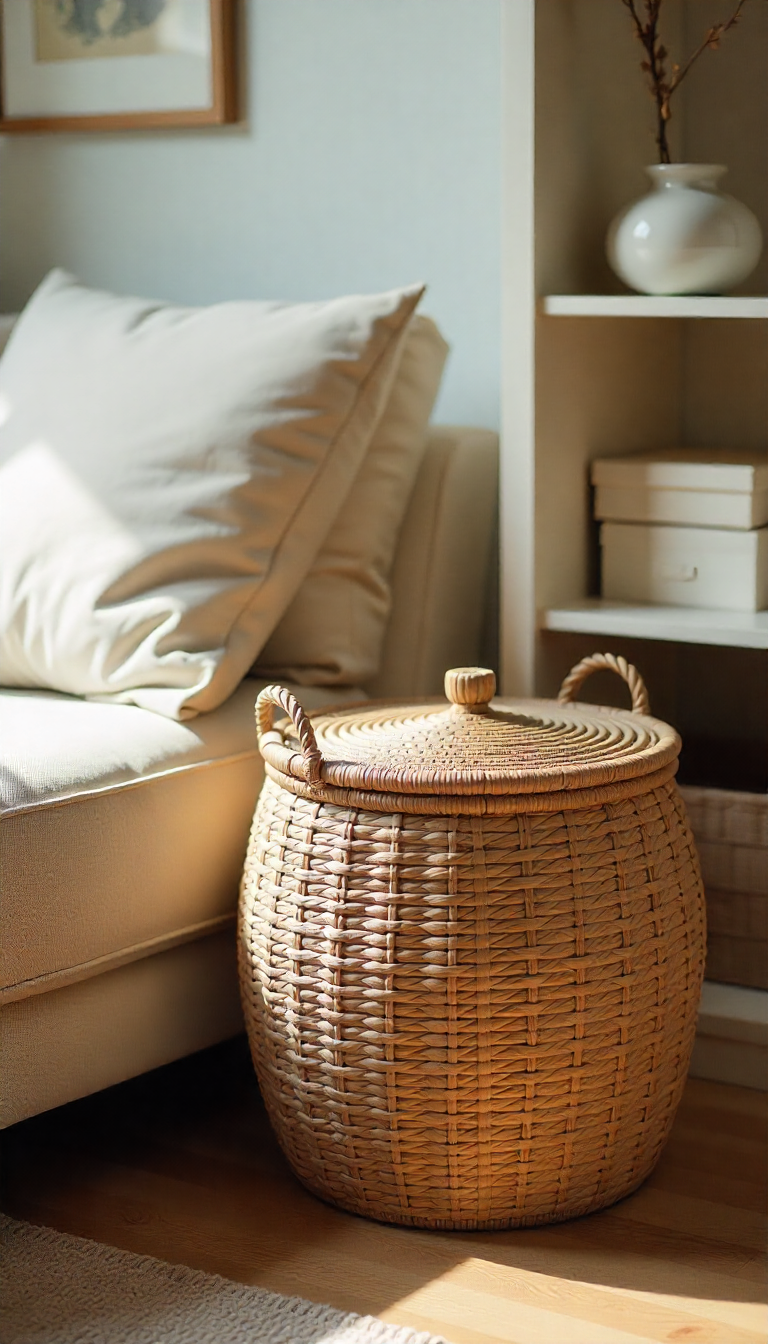
Decorative Storage That Hides Clutter Without Looking Like Storage
One of the most noticeable shifts right now is that storage pieces are being chosen because they’re attractive, not just because they hold things.
Think:
- woven baskets that feel decorative
- lidded boxes that could pass as decor objects
- storage ottomans that look like furniture first
- trays that quietly gather everyday clutter
These pieces let you do a fast tidy without needing to fully “organize” — which, let’s be honest, doesn’t always happen.
Helpful mindset shift:
If storage looks nice, you’re more likely to actually use it — instead of shoving things into a random drawer and hoping for the best.
The Entryway “Drop Zone” (Because Stuff Enters the House Daily)
Entryways are finally being treated like what they are: transition spaces, not decorative afterthoughts.
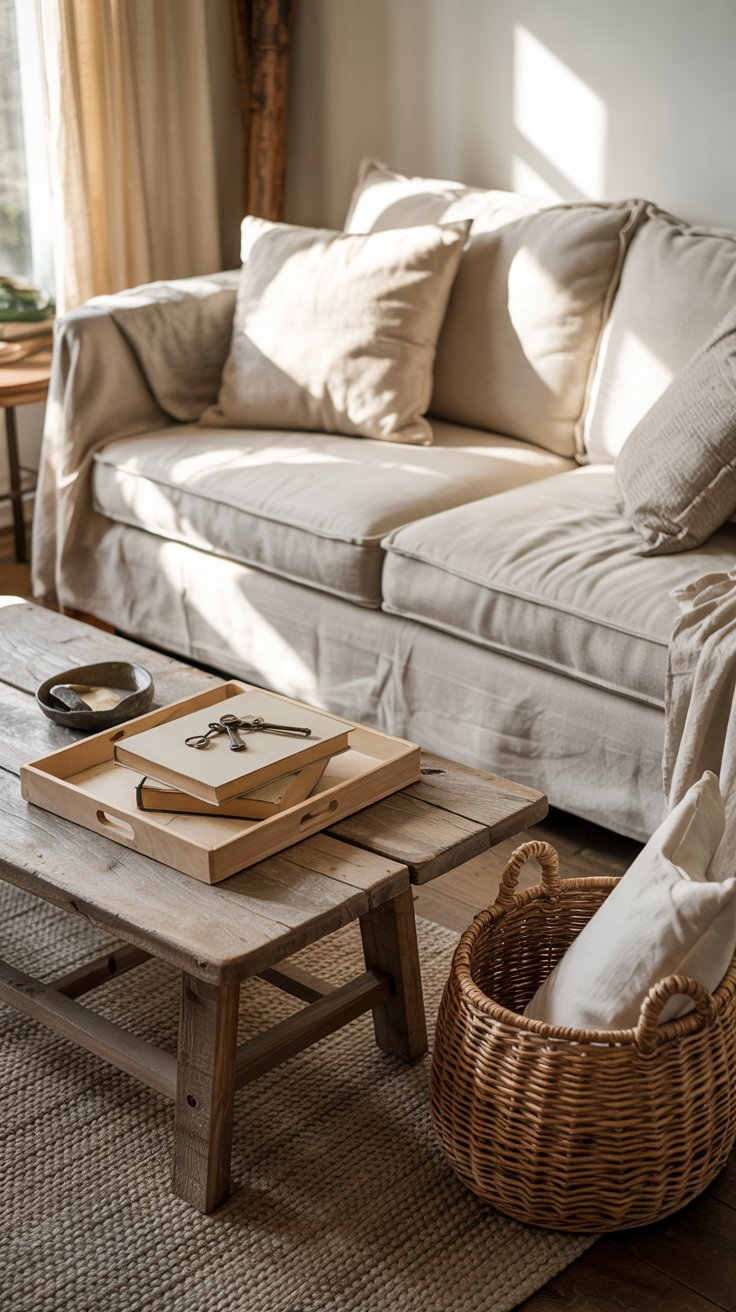
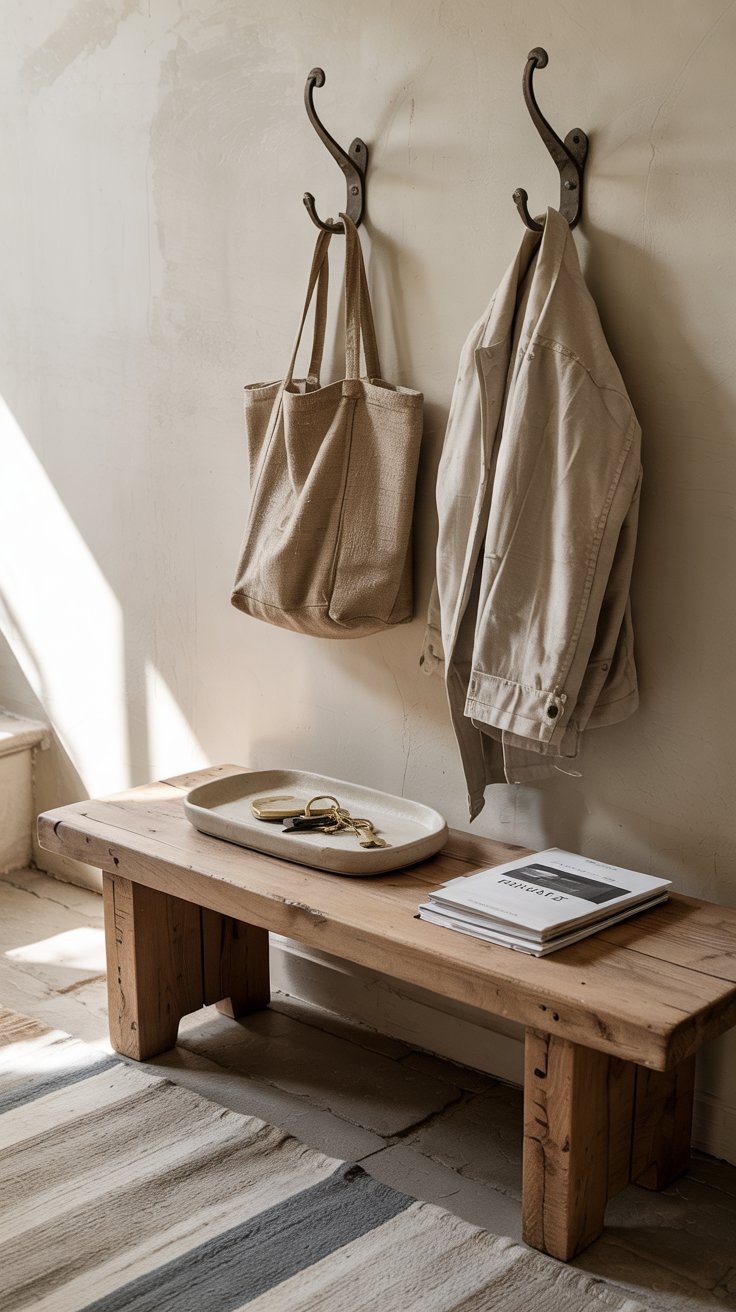
Instead of one surface where everything piles up, the trend is creating small, obvious homes for everyday items:
- a tray or bowl for keys
- a hook or two for bags
- a slim surface for mail
- a rug that visually anchors the area
Real talk:
If your entryway constantly looks messy, it’s usually not a discipline problem — it’s a layout problem. The house hasn’t been told where things belong.
Kitchen Organization That Makes Life Easier (Not Pinterest-Perfect)
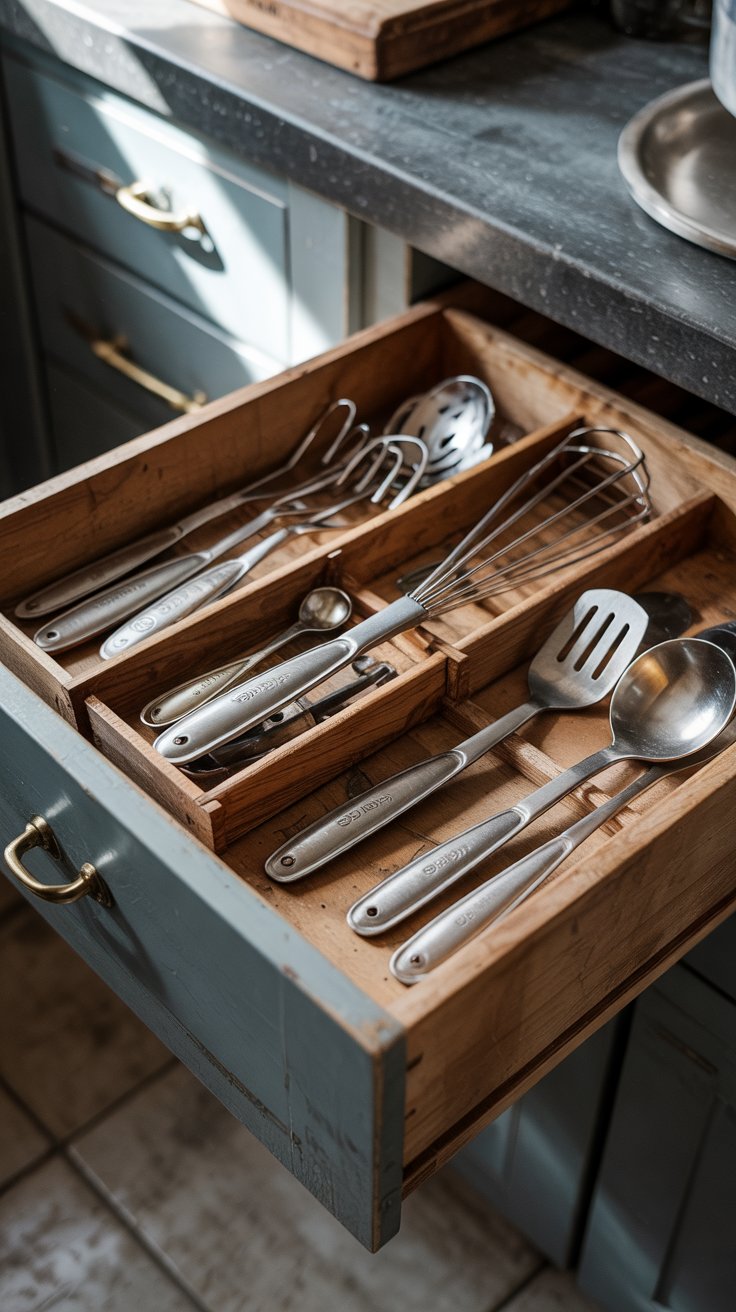
Kitchen organization trends are still going strong, but they’ve matured. The focus is less on decanting everything into matching jars and more on making daily routines smoother.
Popular right now:
- expandable drawer dividers
- vertical pan and lid organizers
- simple clear bins (used intentionally, not excessively)
- lazy Susans for oils, supplements, or spices
Practical tip:
Vertical storage is having a moment because it makes items easier to grab and put back — which is usually where systems fall apart.
Most of these organizers are easy to find online — I’ve linked a few styles I like in one place below.
Bedroom Organization That Still Feels Restful
Bedrooms are trending away from ultra-minimal and toward soft, supportive organization.
This looks like:
- benches at the foot of the bed that hide extra blankets
- fabric under-bed bins in neutral tones
- nightstands with drawers instead of open shelves
- jewelry or accessory storage that looks intentional
A gentle guideline:
If every surface is holding something, the room starts to feel busy — even if it’s tidy. Editing surfaces matters more than adding storage.
“Soft Utility” Furniture Is Everywhere (For Good Reason)
Spring 2026 decor is full of furniture that quietly multitasks.
Examples:
- ottomans with hidden storage
- side tables with shelves
- bookcases styled with bins and objects
- carts that feel decorative instead of office-like
These pieces work especially well in homes where rooms need to do more than one job — without announcing it.
Bathroom Organization That Doesn’t Kill the Spa Vibe
Bathrooms are still trending toward a spa-like feel, but that doesn’t mean everything needs to be hidden away.
Popular solutions:
- trays for daily-use items
- drawer dividers for skincare
- baskets for towels or backups
- over-toilet storage that blends in visuall
Small but helpful shift:
Organizing by routine instead of category often makes mornings smoother — especially when you’re half awake.
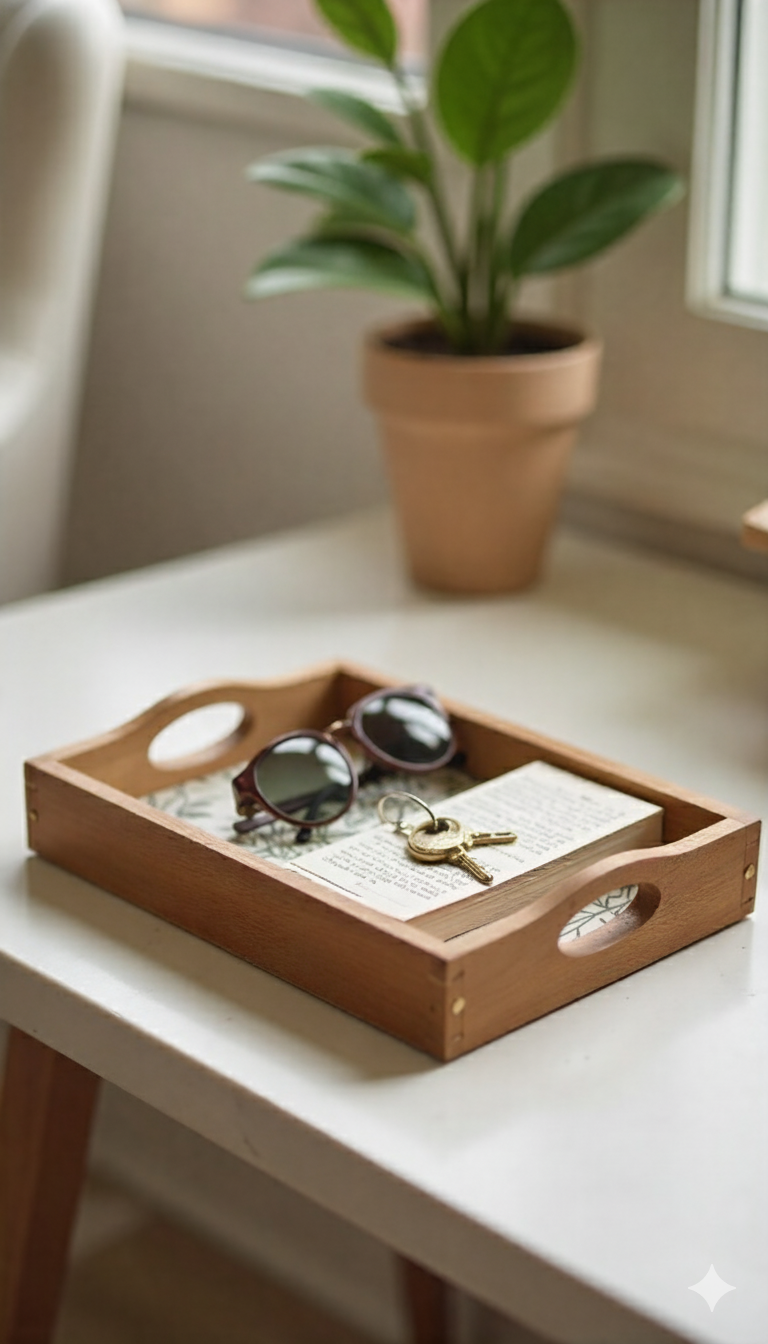
Easy Weekend DIY #1: A Simple “Catch-All” Tray (That Actually Gets Used)
This is one of those small projects that ends up doing a lot of heavy lifting around the house. A catch-all tray doesn’t solve clutter entirely—but it gives everyday items a clear place to land, which instantly makes a surface feel more intentional.
The best part? This is quick, forgiving, and hard to mess up.
What You’ll Need
- A shallow wooden tray or unfinished frame
- Peel-and-stick veneer, neutral contact paper, or even leftover wallpaper
- Scissors or a craft knife
- Optional: felt pads for the bottom
(Nothing fancy here—use what you already have if possible.)
How to Make It
- Prep the tray
Wipe it down so the surface is clean and dry. No sanding or special prep needed unless the tray is very rough. - Cut your liner
Cut your veneer or paper slightly larger than the inside of the tray. It doesn’t need to be perfect—you can trim it once it’s in place. - Line the tray
Carefully lay the paper inside, smoothing it as you go. Start in the center and work outward to avoid bubbles. If it’s not perfectly straight, no one will notice once it’s styled. - Trim the edges
Use scissors or a craft knife to trim along the edges for a clean finish. This is the step that makes it look intentional. - Add felt pads (optional)
Stick felt pads underneath if you’re placing the tray on wood or delicate surfaces.
That’s it. No drying time, no waiting overnight, no “hope this works” moment.
How to Use It (So It Doesn’t Become Another Catch-All Problem)
This tray works best when it’s assigned a purpose:
- Entryway: keys, sunglasses, wallet
- Bedroom: jewelry, watch, lip balm
- Living room: remote, coaster, current book
Once it’s full, that’s your cue to reset it—not add another tray.
Why This Works
A tray creates a visual boundary. Even when it’s holding everyday clutter, it still looks contained, which is why this simple project can make a space feel more pulled together almost instantly.
No perfection required.
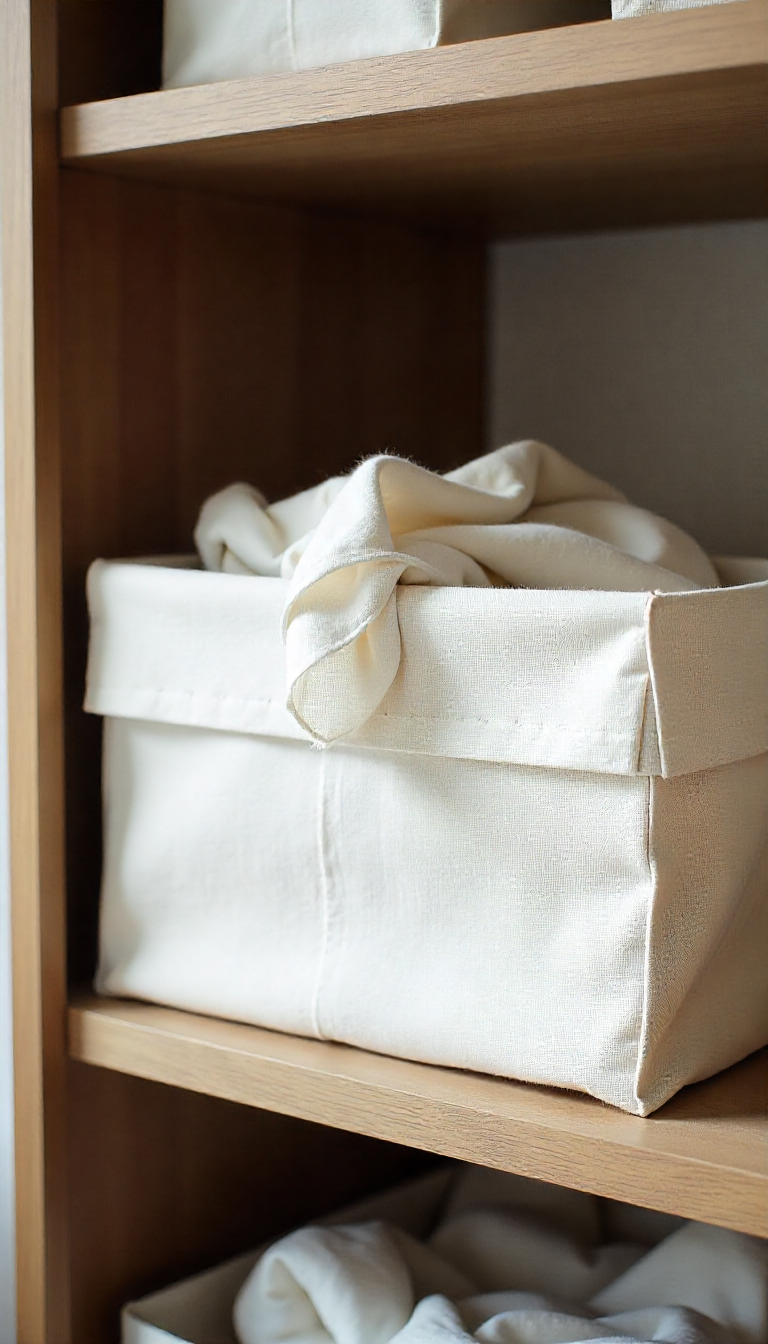
Easy Weekend DIY #2: Linen-Wrapped Storage Boxes (That Don’t Look Like Storage Boxes)
If your home has a habit of collecting random storage bins that never quite match, this project is for you. Linen-wrapped boxes are an easy way to make open shelving look intentional — and they’re especially useful when you want storage that blends in instead of standing out.
And yes, this is the perfect excuse to finally do something productive with those sturdy Amazon boxes from Christmas. Recycling and organizing? That feels like a win.
What You’ll Need
- Plain storage boxes or sturdy cardboard boxes
- Linen, cotton, or canvas fabric (neutral works best)
- Fabric glue or hot glue
- Scissors
- Optional: ruler or craft knife for cleaner edges
(If you’re using Amazon boxes, choose the thicker ones — the kind that make you think, “This feels too good to throw out.”)
How to Make Them
- Prep the box
Make sure the box is clean and dry. If it’s an Amazon box, remove any tape, shipping labels, or loose edges. Trim the height if needed so it fits your shelf nicely. - Cut the fabric
Cut a piece of fabric large enough to wrap around the box with a bit of overlap. You don’t need to be precise — linen is forgiving, and slight variations make it look handmade rather than messy. - Wrap the box
Apply glue to one side of the box and smooth the fabric onto it. Work your way around, keeping the fabric taut but not stretched. Think “wrapped present,” not “museum exhibit.” - Tuck and secure the edges
Fold the fabric neatly along the top edges and glue it down inside the box. If the corners aren’t perfect, that’s fine — visible texture is part of the charm here. - Let it set
Give the glue a few minutes to set before placing anything inside. This is a good time to admire how something that once held Christmas gifts now looks shelf-worthy.
How to Use Them Without Overthinking It
These boxes are great for:
- extra linens or hand towels
- seasonal items
- cables, remotes, or small electronics
- “I don’t know where this goes but I need it” items
Line them up on a shelf, slide them into a cabinet, or mix them with books and decor for a more relaxed look.
Why This Works
Linen adds softness and texture, which is why these boxes don’t read as storage at first glance. They help shelves feel calmer while still being practical — and they’re far easier (and cheaper) than replacing every mismatched bin in your house.
Plus, turning a shipping box into something useful is deeply satisfying. What better way to recycle?
Quiet Organization Tricks That Make a Big Difference
A few low-effort ideas that help systems stick:
- label inside containers, not outside
- use matching hangers for visual calm
- add drawer liners to reduce noise
- organize by how often you use items, not by category
These aren’t dramatic changes — just practical ones.
How to Shop These Trends Without Buying Too Much
Before adding organizers or storage pieces:
- measure first (always)
- stick to neutral tones
- buy fewer, better pieces
- prioritize ease over perfection
Good organization should support daily life — not require constant maintenance.
Shop the Look
Final Thoughts
Spring 2026 home decor isn’t about starting over — it’s about small changes that make your space easier to live in.
A few smart storage upgrades, some thoughtful organization, and a little editing can make a home feel calmer without chasing perfection. Take what works, ignore what doesn’t, and adjust as life changes.
That’s the real trend.
As an Amazon Affiliate, I earn from qualifying purchases at no extra cost to you.
Leave a Reply