There’s a reason so many of us crave calmer spaces right now. Life feels louder, faster, and more visually cluttered than ever — and our homes are quietly being asked to do a lot of heavy lifting. They’re no longer just places we decorate; they’re where we recover, reset, and try to feel grounded again.
That’s where a more thoughtful approach to nature-inspired design comes in. You may have heard it referred to as Biophilic 2.0 — but don’t let the name intimidate you. At its core, it’s simply about creating spaces that feel natural, supportive, and easy to live in, rather than overly styled or trend-driven.
This isn’t about turning your home into a greenhouse or chasing perfection. It’s about subtle changes — texture, light, materials, and small moments of greenery — that make a space feel calmer the moment you walk in.
Check out my Amazon Storefront for some of my top picks
What “Biophilic 2.0” Really Means (In Plain English)
Traditional biophilic design focused on adding visible elements of nature: plants, sunlight, greenery. And while those things still matter, this newer, more evolved approach goes deeper.
Biophilic 2.0 is about how a space feels, not just how it looks.
It considers:
- How lighting affects your mood throughout the day
- How textures feel under your hands and feet
- How clutter (even pretty clutter) impacts your nervous system
- How spaces flow and function in real life
In other words, it’s less about decorating with nature and more about designing for human wellbeing.
The good news? You don’t need a modern home, a big budget, or design expertise to apply these ideas. Small, intentional choices go a long way.
Biophilic Design vs. Biophilic 2.0: The Shift That Matters
Earlier versions of biophilic design were very visual — leafy rooms, dramatic windows, bold statements. Beautiful, yes, but not always practical.
Biophilic 2.0 shifts the focus:
- From adding more → to editing and softening
- From visual impact → to emotional comfort
- From Instagram-ready → to real-life friendly
Many of us have experienced homes that look stunning online but feel overwhelming to live in. This approach is a quiet response to that — favoring restraint, warmth, and longevity over fast trends.
Once you understand this shift, the rest of the design choices start to feel much more intuitive.
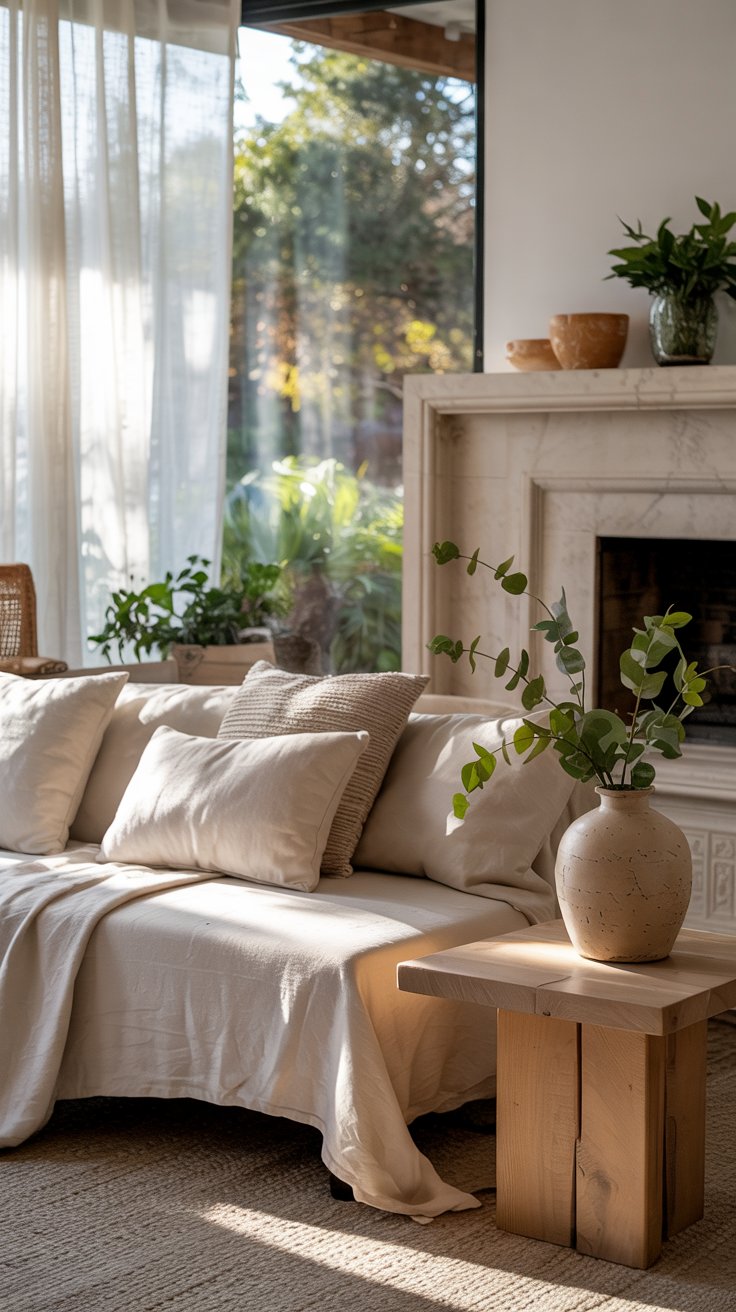
The Core Principles of a Calm, Nature-Inspired Home
1. Texture Over Perfection
Smooth, glossy finishes can feel cold and sterile when overused. Nature rarely looks polished — and that’s exactly why textured materials feel so grounding.
Think:
- Linen instead of slick fabrics
- Raw or lightly finished wood
- Ceramic, clay, stone, or plaster surfaces
- Matte finishes over shine
These materials absorb light softly and make a space feel layered and lived-in rather than overly styled.
Natural textures like linen, ceramic, and unfinished wood instantly soften a space. Even something as simple as a linen pillow cover or a small wooden tray can change the feel of a room without adding visual clutter.
Check out these two best selling options:
(“linen pillow cover” or “wooden tray”
2. Gentle, Layered Lighting
Lighting has a bigger impact on mood than most people realize. Harsh overhead lighting can make even a beautiful room feel uninviting.
A calmer home relies on:
- Natural daylight whenever possible
- Lamps at different heights
- Warm bulbs in the evening
- Soft pools of light instead of one bright source
This subtle shift alone can completely change how your home feels at night.
Swapping one overhead light for a table lamp with a warm bulb can instantly make a room feel calmer and more inviting — especially in the evening.
(Check out these finds on Amazon: “table lamp” or “warm bulb.”)
3. Organic Flow and Shape
Homes that feel calming usually share one thing: easy movement.
That might look like:
- Curved furniture instead of sharp angles
- Clear walking paths
- Furniture that doesn’t block light or doorways
It’s not about minimalism — it’s about letting your space breathe.
4. Nature That Feels Intentional
You don’t need dozens of plants to create a nature-inspired home. In fact, fewer well-placed elements often feel more calming.
A single statement plant, a wood bowl, or a stone accent can have more impact than cluttered shelves of greenery. The goal is presence, not abundance.
Once these ideas start to come together indoors, it’s only natural to look outside — especially at those often-ignored areas around the home.
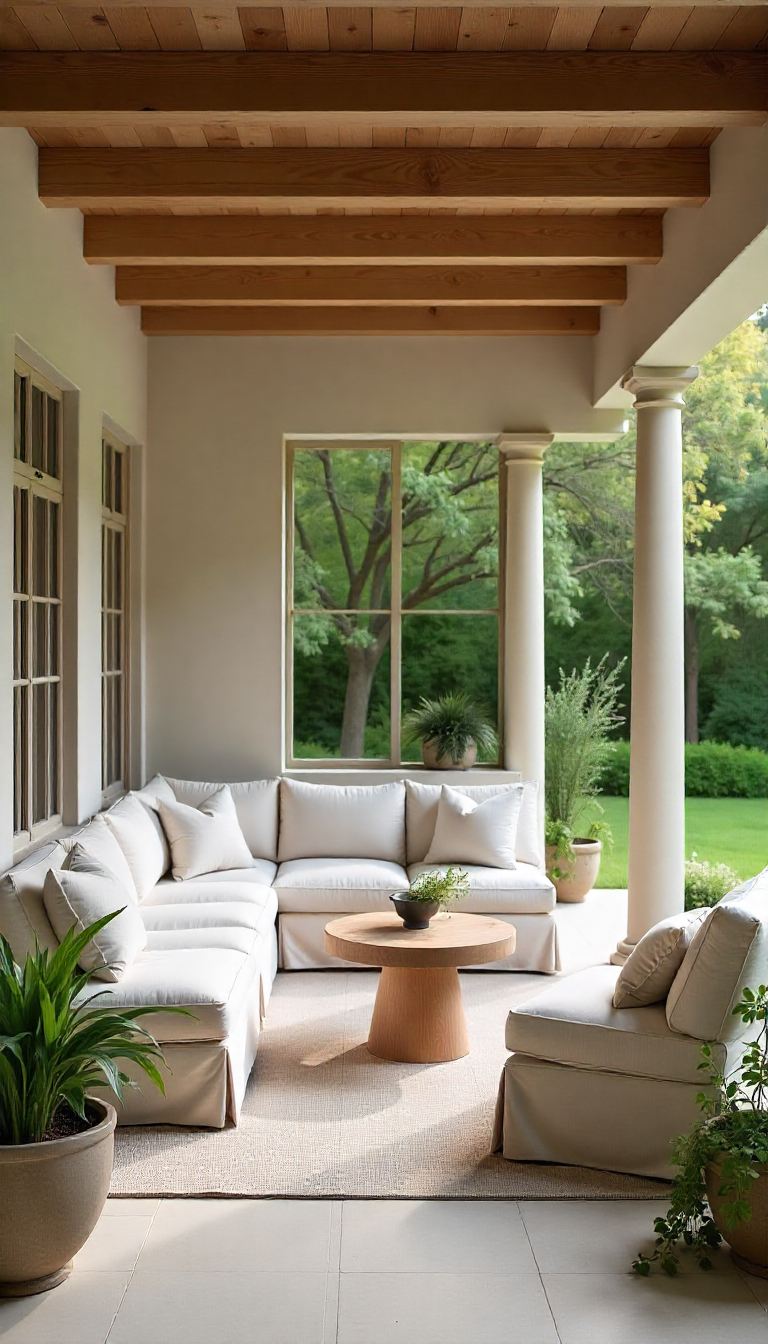
Extending a Calm, Natural Feel Outdoors (Without a Full Makeover)
Outdoor spaces don’t need to be elaborate to feel intentional. A blank fence, side yard, or patio wall can become a calming focal point with just one thoughtful addition.
Vertical elements are especially effective because they soften hard lines and draw the eye upward — which naturally feels grounding and restorative.
That’s where this first simple project comes in.
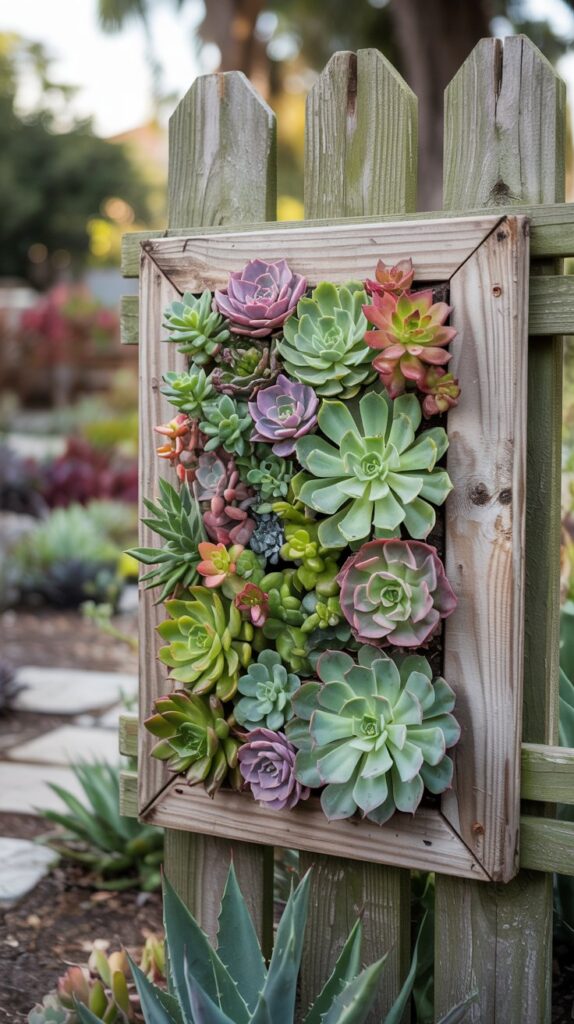
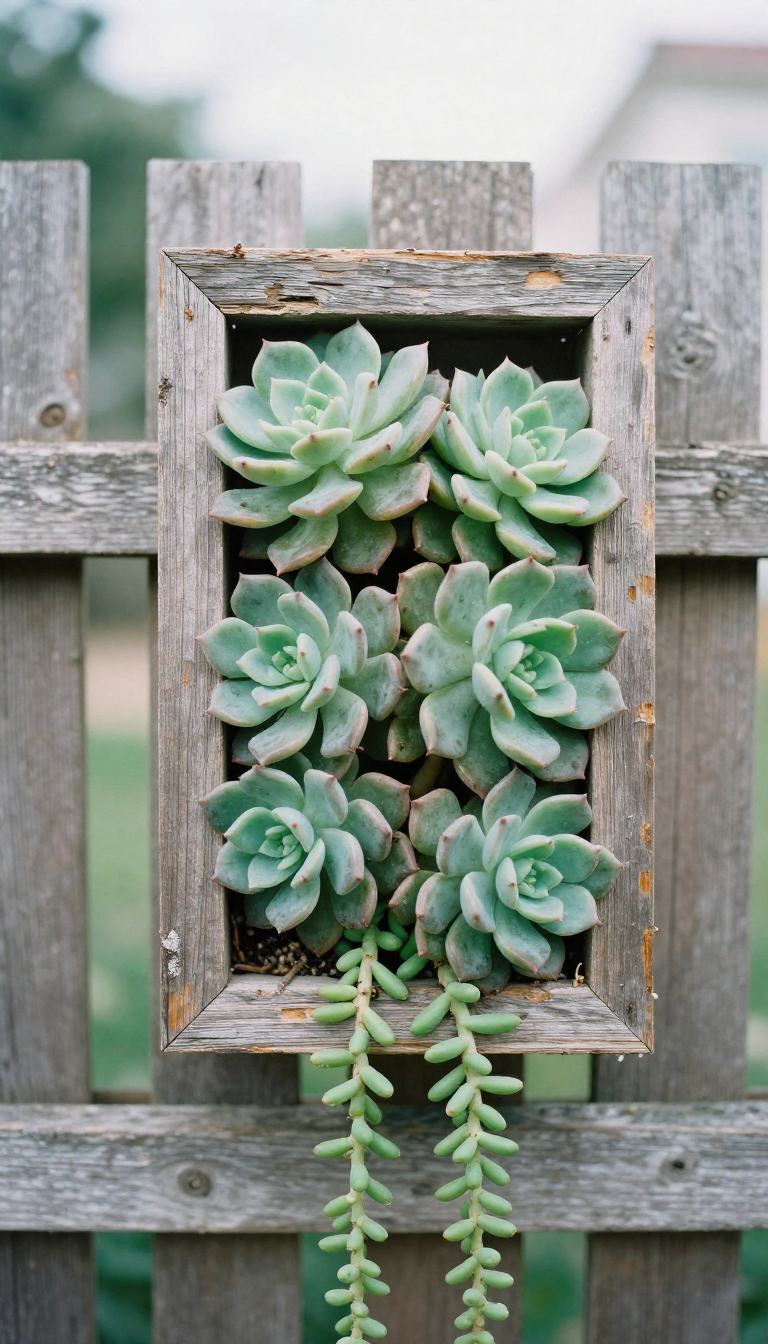
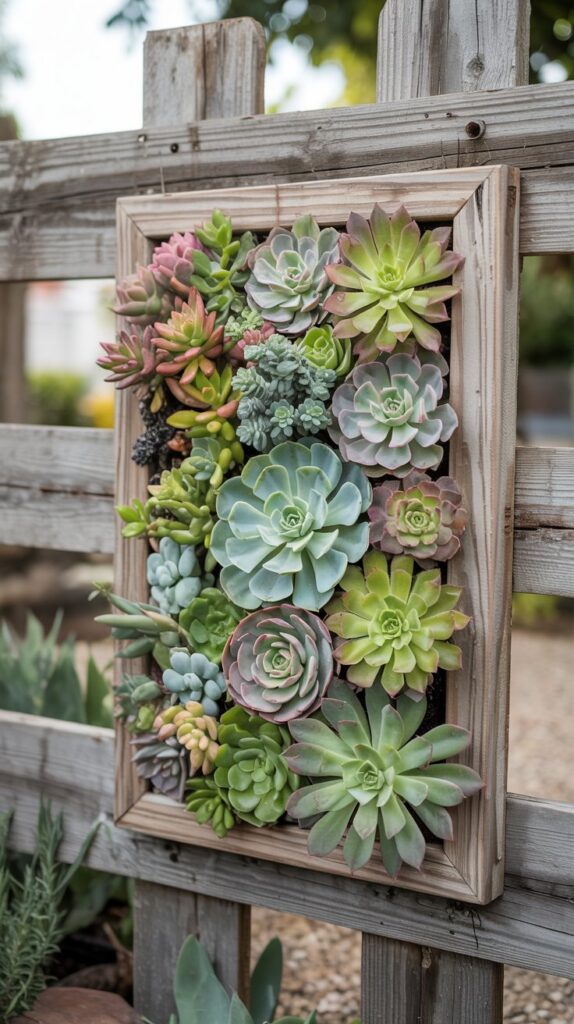
Easy Outdoor DIY: A Living Frame with Succulents
This project looks elevated and architectural, but it’s surprisingly approachable — even if you don’t consider yourself a gardener.
If you don’t already have a frame on hand, simple wooden shadow boxes work especially well for this type of project and are easy to hang on a fence or wall.
(Check out on Amazon: “wooden shadow box or wooden frame.”)
What It Is
A shallow framed planter filled with succulents that can be mounted on:
- A fence
- An exterior wall
- A patio privacy screen
It instantly adds softness and interest without overwhelming the space.
Why It Works
- Succulents are low-maintenance
- The frame keeps everything contained and tidy
- Vertical greenery feels intentional, not messy
Simple Overview
You don’t need special skills or tools. Most versions involve:
- A wooden frame or shadow box
- Landscape fabric or mesh
- Succulent soil
- A mix of hardy succulents
Once planted, it simply needs bright light and minimal watering.
This kind of project fits beautifully into a nature-inspired home because it feels organic and controlled — a balance that defines Biophilic 2.0.
And if outdoor projects feel like too much, the next idea brings the same calm energy indoors with almost no effort at all.
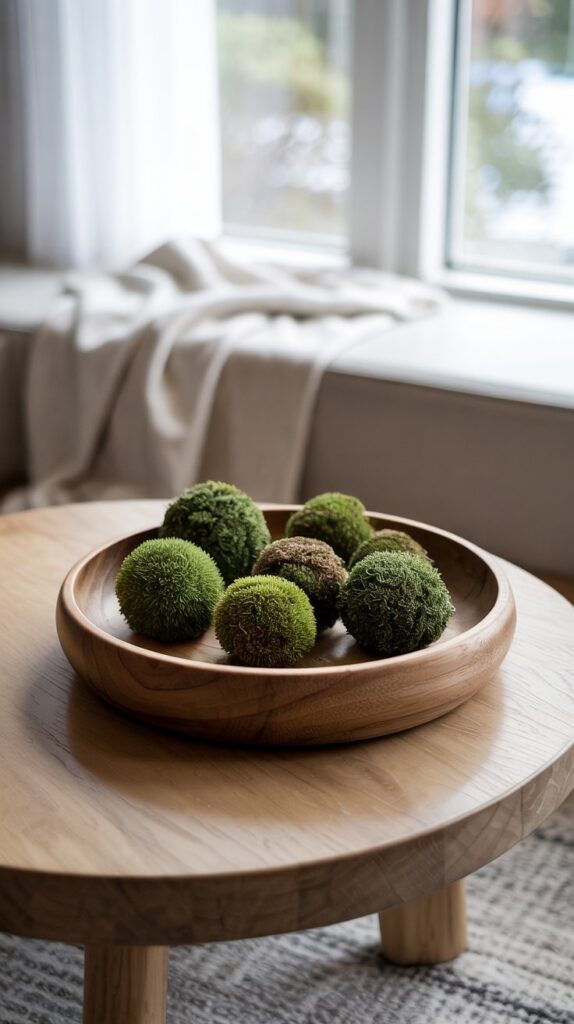
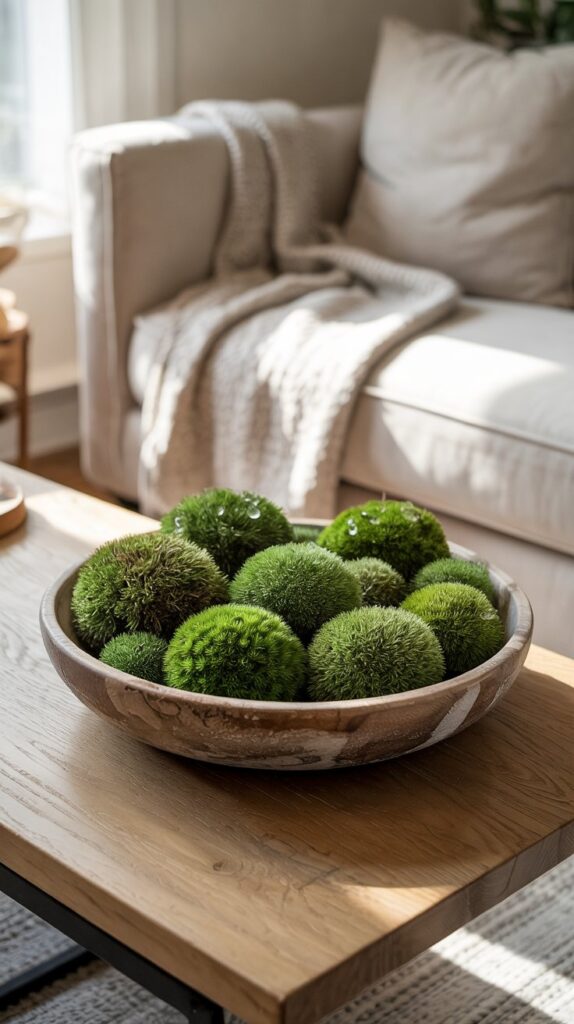
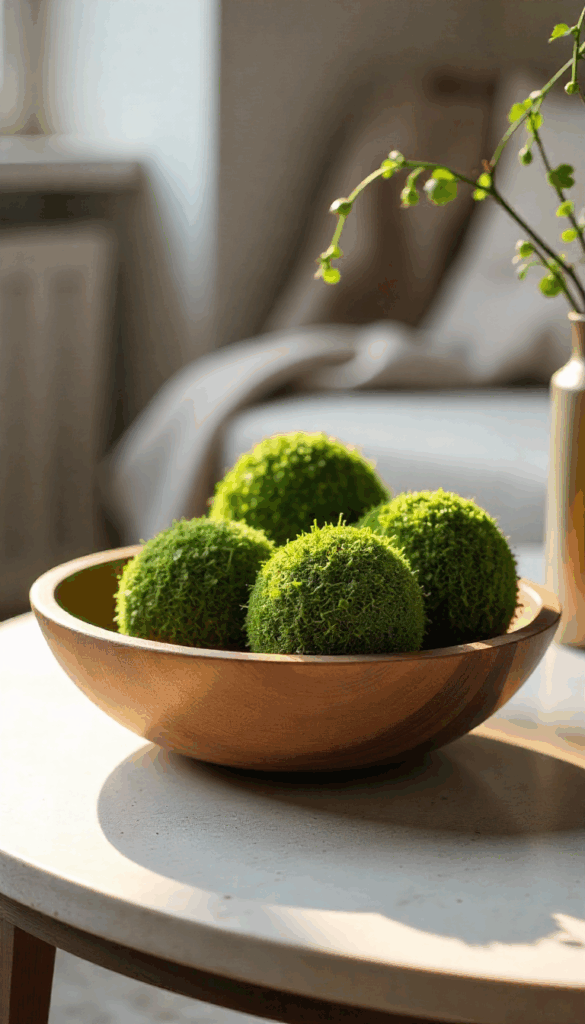
Simple Indoor Styling Idea: Moss Balls in a Wooden Bowl
This isn’t a new idea — and that’s part of why it works so well. It’s timeless, natural, and quietly stylish.
A shallow wooden bowl filled with moss-covered spheres adds softness without visual clutter. Preserved moss works especially well here because it keeps its color without ongoing maintenance.
(Check out these finds on Amazon: “preserved moss” or “wooden bowl.”)
Why This Still Feels Relevant
- Moss adds texture without visual clutter
- Greenery without maintenance
- Organic without feeling trendy
How to Do It (Briefly)
- Wrap preserved or faux moss around lightweight foam balls
- Secure gently
- Arrange in a shallow wooden, ceramic, or stone bowl
That’s it.
Where It Works Best
- Coffee tables
- Bathroom counters
- Entryway consoles
- Open shelving
It adds just enough life and texture to make a space feel considered — without asking anything of you afterward.
Keeping Nature-Inspired Decor From Feeling Overdone
A common mistake with natural decor is trying to do too much.
If your space starts to feel busy instead of calm, consider:
- Reducing the number of plants
- Editing accessories
- Swapping shine for texture
- Softening lighting
Calm spaces aren’t created by adding endlessly — they’re created by choosing thoughtfully.
Why These Spaces Feel Good (Even If You Can’t Explain It)
The body responds to calm before the mind does. Natural textures, gentle light, and visual breathing room signal safety and ease — which is why these spaces feel restful almost immediately.
This is what makes a nature-inspired home so powerful. It doesn’t shout. It supports.
Shop the Look
If you’re drawn to this calm, nature-inspired look, a few simple pieces can help you recreate it at home — natural textures, soft lighting, and low-maintenance greenery tend to make the biggest difference. Check out my Amazon storefront here.
Final Thoughts: Start Small and Let It Evolve
You don’t need to redesign your entire home to create a calmer environment. One edited surface, one softened corner, or one natural element added thoughtfully can change the way a space feels.
That’s the beauty of this approach — it grows with you.
As an Amazon Affiliate, I earn from qualifying purchases at no extra cost to you.
Leave a Reply