Bathrooms have quietly become one of the most important spaces in the home. What used to be purely functional is now expected to feel calm, elevated, and thoughtfully designed — even in homes with realistic budgets and existing layouts.
The good news is that creating a high-end feel doesn’t require a full renovation or starting from scratch. In many cases, it’s the smaller, intentional updates that make the biggest difference. When the right elements are prioritized, a bathroom can feel custom, balanced, and timeless without unnecessary expense.
This guide focuses on bathroom remodel ideas that deliver real visual impact while staying practical. Whether you’re planning a gradual refresh or rethinking the space more intentionally, these ideas are designed to help you make smart choices that actually last.
1. Upgrade the Vanity Area First (It Sets the Entire Mood of the Bathroom)
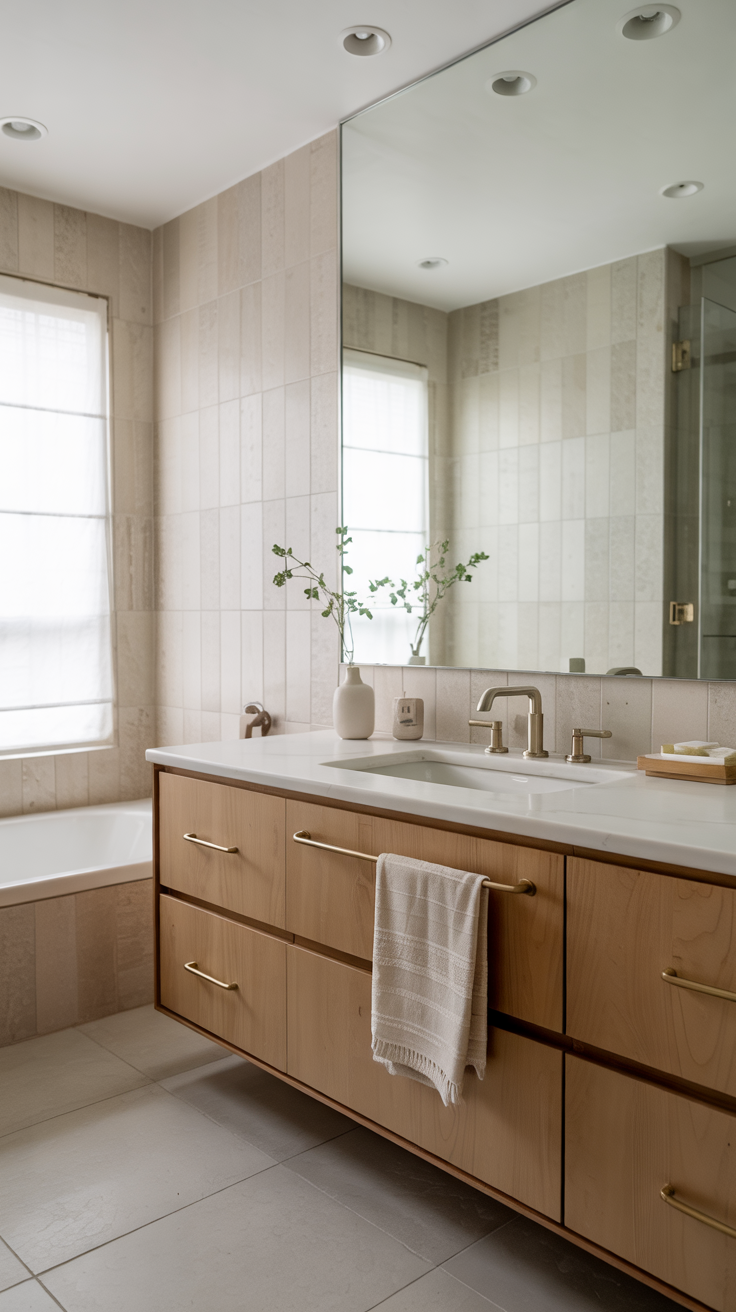
If there’s one place to focus when updating a bathroom on a budget, it’s the vanity area. This is the zone your eye naturally goes to first, which means even subtle changes here can dramatically shift how the entire space feels.
Instead of thinking about replacing everything, start by looking at what already exists and how it can be refined. Many builder-grade vanities look dated not because they’re poorly made, but because the surrounding details don’t support them. Simple upgrades like swapping cabinet hardware, changing the mirror, or improving the lighting can instantly make a vanity feel more intentional and elevated.
Mirror scale alone makes a noticeable difference. A mirror that feels too small can make a bathroom feel unfinished, while a larger mirror — especially one with a simple frame or soft curve — helps the space feel balanced and more thoughtfully designed. This is one of those upgrades that visually reads “custom” without the cost of custom work.
Lighting is another key piece of the puzzle. Overhead lighting alone tends to flatten the vanity area, whereas layered lighting adds depth and warmth. A refined vanity light or wall sconces placed at eye level can completely change how the space looks and functions, especially for everyday routines.
If you’re looking for easy, budget-friendly upgrades, this is also where having a curated product list helps. Hardware, mirrors, and vanity lighting are widely available through Amazon and easy to group together in a Kit storefront, making it simple to compare finishes and styles without getting overwhelmed. These are upgrades that don’t require demolition but deliver immediate visual payoff.
2. Use Hardware, Fixtures, and Finishes to Create a Cohesive, High-End Look
One of the biggest differences between a bathroom that feels average and one that feels high-end is cohesion. When finishes feel scattered or mismatched, the space can look busy — even if everything is technically new.
A more elevated approach is to limit the number of finishes used throughout the bathroom. Choosing one primary finish and, at most, one secondary accent helps create a calm, intentional look. This applies to faucets, shower fixtures, cabinet hardware, towel bars, and even lighting.
Warm finishes are especially popular right now because they add softness without feeling trendy. Brushed brass, champagne bronze, and soft black finishes tend to photograph beautifully and pair well with neutral bathrooms. When used consistently, they give the space a polished, designer feel without needing expensive materials.
What’s often surprising is how easy these updates can be. Many modern fixtures are designed to work with existing plumbing, which means you can update the look of a bathroom without opening walls or changing layouts. Even replacing just the faucet and shower trim can make a noticeable difference when the finishes are cohesive.
This is another area where shopping intentionally matters. Seeing finishes grouped together — whether in an Amazon list or a Kit collection — makes it easier to stick to one direction and avoid impulse buys that don’t quite match. When hardware and fixtures feel unified, the bathroom instantly looks more pulled together and far more expensive than the budget behind it.
3. Focus Tile and Surface Updates Where They Matter Most Visually
Tile has a powerful impact on how a bathroom feels, but more tile doesn’t always lead to a better result. In fact, covering every surface can sometimes make a bathroom feel busy or overwhelming — especially in smaller spaces. A more high-end approach is to be selective and intentional about where tile and surface updates are used.
The areas that draw the most attention are typically the shower, the wall behind the vanity, and occasionally a single accent wall. Updating tile in these key zones delivers the biggest visual payoff while keeping the overall remodel grounded and budget-friendly. When tile is treated as a design feature rather than a default finish, it naturally feels more considered.
Texture often matters more than pattern. Subtle variation — such as handmade-look ceramic, soft stone finishes, or lightly textured surfaces — adds depth without dominating the space. These types of tiles tend to age better than bold patterns and work well across different styles, from modern to more classic bathrooms.
Flooring is another area where restraint pays off. Keeping floors simple allows wall tile or surface details to stand out, rather than competing for attention. This balance helps the bathroom feel calm and cohesive, which is a hallmark of high-end design.
For homeowners working within a budget, there are many tile alternatives and accessories that deliver a similar look without the cost of a full tile installation. Tile-look wall panels, peel-and-stick tiles for low-impact areas, and even updated grout color can refresh a space significantly. Having these options organized in one place — such as an Amazon list or a curated Kit collection — makes it easier to explore finishes that align with your overall vision before committing.
When tile and surfaces are chosen intentionally and used strategically, the bathroom feels layered and elevated rather than overdone. It’s less about how much tile you use and more about where and how it’s applied.
4. Layer the Lighting to Make the Bathroom Feel Softer, Calmer, and More High-End
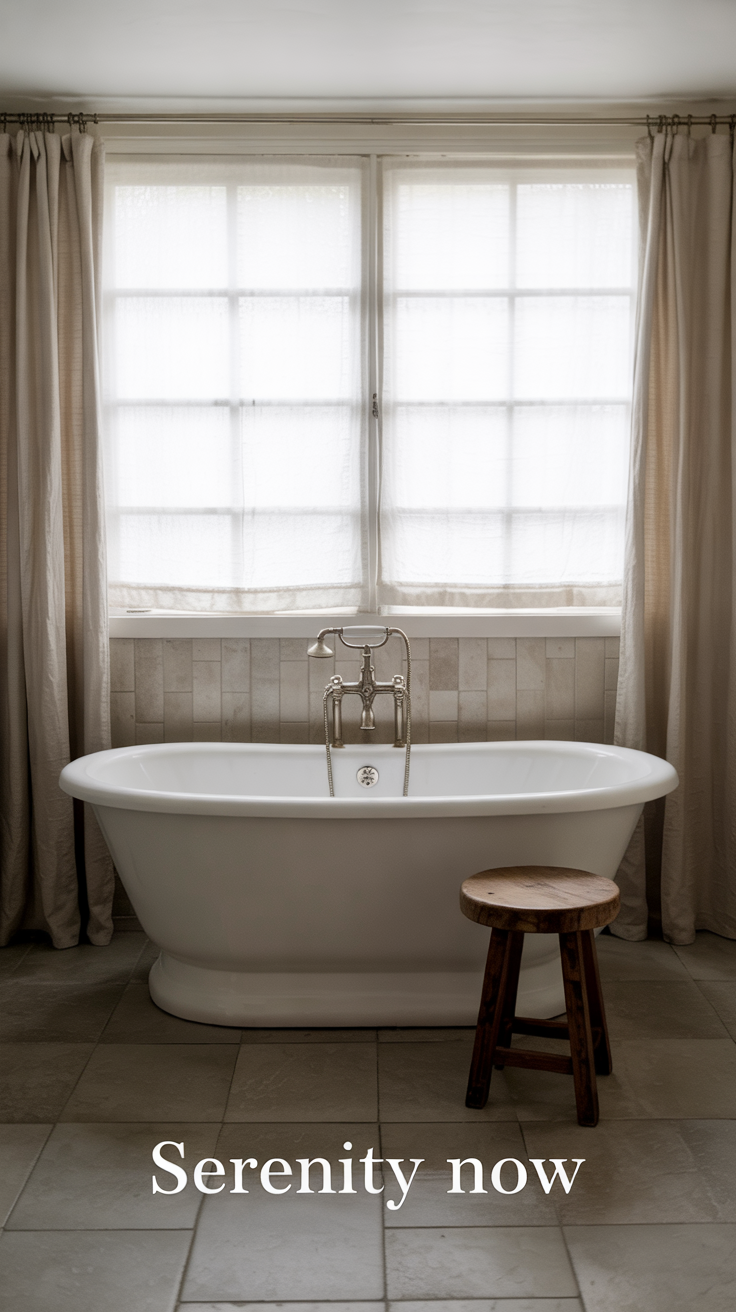
Lighting is one of the most overlooked elements in a bathroom remodel, yet it has a huge influence on how the space actually feels. Even beautifully finished bathrooms can fall flat if the lighting is harsh, uneven, or purely functional.
Many bathrooms rely on a single overhead light, which tends to cast shadows and emphasize hard surfaces. A more elevated approach is layered lighting — combining different light sources to create balance, warmth, and depth.
Task lighting around the vanity is essential for everyday routines, but it doesn’t need to feel clinical. Wall-mounted sconces or a well-proportioned vanity light placed at eye level provide more flattering illumination and instantly make the space feel more intentional. This is one of the simplest upgrades that delivers both function and style.
Ambient lighting softens the room overall. This might come from ceiling fixtures, recessed lighting on dimmers, or even subtle accent lighting tucked into shelving or niches. When layered properly, the bathroom feels calmer and more spa-like rather than overly bright.
Light temperature matters just as much as fixture choice. Warmer bulbs create a more inviting atmosphere and help natural materials like wood, stone, and tile feel richer. Cooler lighting can make bathrooms feel stark and unforgiving, especially in spaces with a lot of white or gray finishes.
Because lighting upgrades are often straightforward, this is an ideal area to shop intentionally. Vanity lights, sconces, bulbs, and dimmers are easy to compare through Amazon, and grouping options in a Kit storefront helps keep styles and finishes consistent. When lighting works together rather than competing, the entire bathroom feels more cohesive — even if nothing else has changed.
5. Use Decor and Textiles to Soften Hard Surfaces and Make the Space Feel Finished
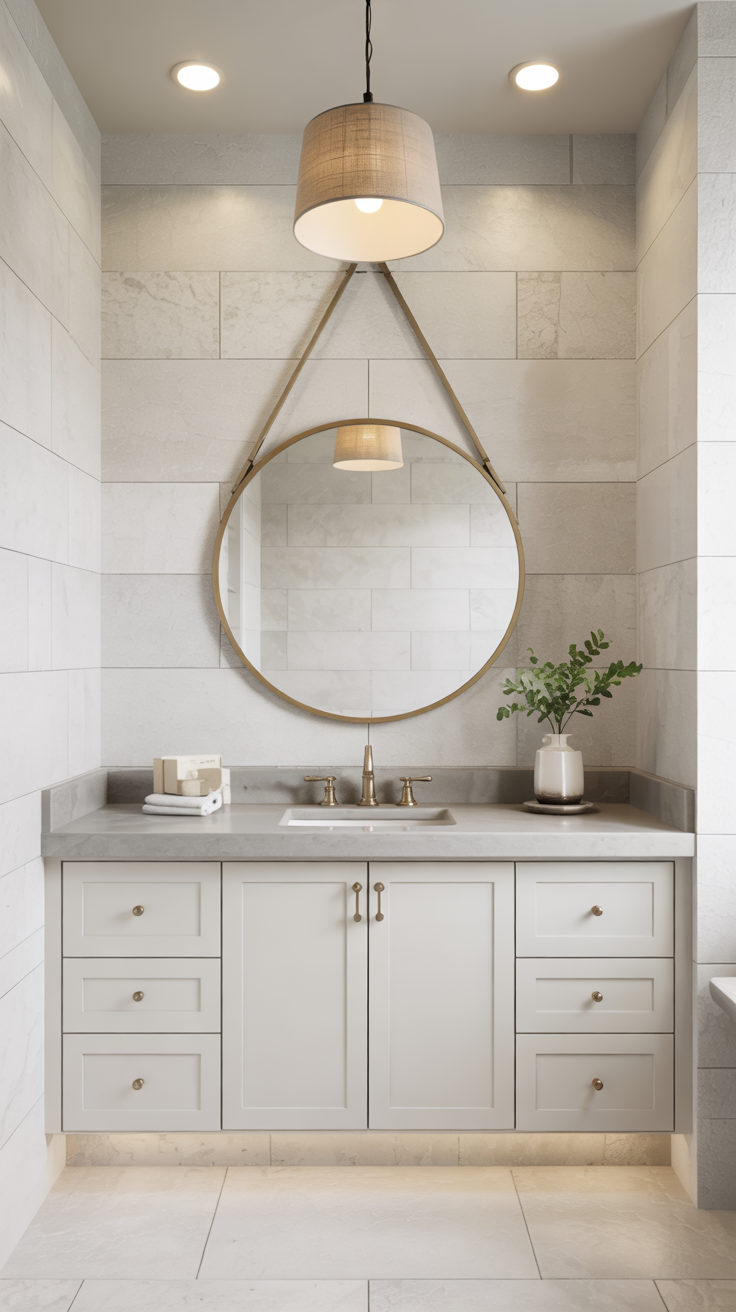
Bathrooms are full of hard materials — tile, stone, metal, and glass — which can easily make the space feel cold or incomplete if they aren’t balanced properly. This is where decor and textiles play an essential role. They’re not just accessories; they’re what make a bathroom feel warm, lived-in, and intentional.
Textiles are one of the fastest ways to soften a bathroom visually. Plush towels, a well-proportioned bath mat, or a fabric shower curtain can immediately change the tone of the space. Neutral tones, subtle textures, and natural fibers tend to feel more timeless and work well across a range of bathroom styles.
Decor works best when it’s restrained and purposeful. Instead of filling every surface, focus on a few thoughtfully chosen pieces that add warmth without clutter. A small stool, a simple tray, or a sculptural vessel can break up hard lines and introduce softness. Natural materials — wood, stone, ceramic, woven accents — help ground the space and make it feel more layered.
Shelving and countertop styling should feel intentional rather than purely decorative. Items that serve both form and function — like beautiful storage containers or understated accessories — contribute to a bathroom that feels curated rather than staged.
This is also where flexibility comes in. Decor and textiles are easy to update over time, which makes them a smart place to reflect current trends without long-term commitment. Having these pieces organized in an Amazon list or a curated Kit collection makes it easier to explore options that align with your overall design direction while avoiding impulse buys that don’t quite fit.
When decor is treated as the finishing layer — not an afterthought — the bathroom feels complete. These small, thoughtful additions often have the biggest emotional impact, transforming a functional space into one that feels calm, comfortable, and genuinely enjoyable to use.
6. Spend Strategically on the Upgrades You Touch and Use Every Day
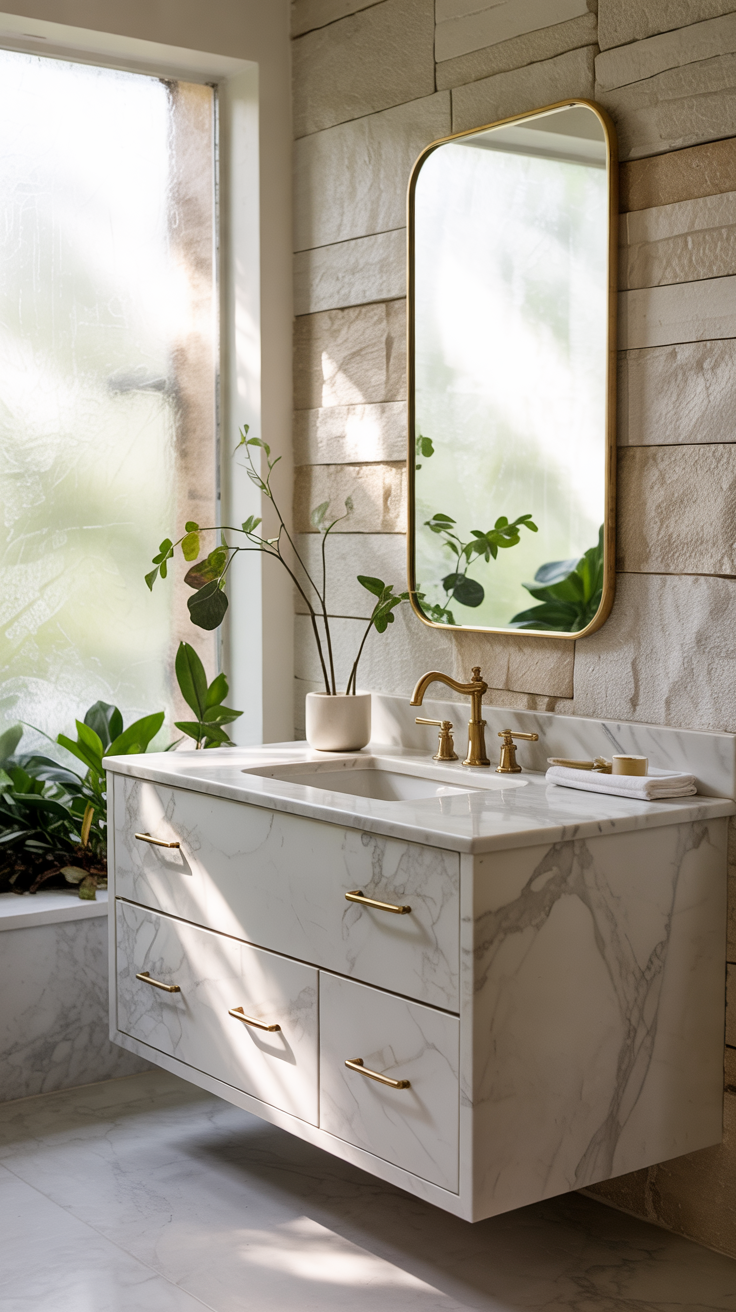
One of the biggest misconceptions about bathroom remodels is that every upgrade needs to be high-end to feel luxurious. In reality, the most noticeable difference comes from investing thoughtfully in the elements you interact with daily — not the ones that are purely visual.
Faucets, shower hardware, and lighting controls are used constantly, and their quality affects the overall experience of the space. Smooth operation, solid weight, and reliable finishes tend to signal quality more than decorative details ever could. Spending a little more here often pays off in both durability and daily comfort.
On the other hand, there are areas where saving makes sense. Accessories, decor, and easily replaceable elements don’t need to be permanent decisions. These are ideal places to explore budget-friendly options that can evolve over time as styles change or preferences shift.
Approaching a remodel with this mindset helps prevent overspending where it doesn’t matter, while still allowing the bathroom to feel elevated. Comparing options side by side — whether through Amazon or a curated Kit storefront — makes it easier to decide where quality is worth prioritizing and where flexibility makes more sense.
7. Skip Design Trends That Date Bathrooms Quickly and Limit Flexibility
Bathrooms aren’t spaces most people want to renovate often, which makes trend-heavy decisions riskier here than in other rooms. While bold patterns and statement features can look striking online, they don’t always translate well to everyday living or long-term satisfaction.
Highly specific trends, oversized patterns, or novelty finishes can feel exciting at first but may become visually tiring over time. These choices can also make it harder to adapt the space later without significant expense.
A more timeless approach focuses on balance, proportion, and materials that age gracefully. Trends can still have a place — just in smaller, easily updated ways. Incorporating trend influence through decor, textiles, or lighting allows you to refresh the space without committing permanently.
By keeping foundational elements neutral and flexible, the bathroom remains adaptable. This approach protects both your budget and your ability to enjoy the space for years to come.
8. Who These Bathroom Remodel Ideas Are Best For
These bathroom remodel ideas are well-suited for homeowners who want meaningful improvement without unnecessary construction or disruption. They work especially well for bathrooms that function well structurally but feel dated, flat, or unfinished.
Whether you’re updating a main bathroom, refreshing a guest bath, or improving a space gradually over time, these ideas focus on intention rather than excess. The goal isn’t to chase perfection — it’s to create a bathroom that feels calm, cohesive, and comfortable to use every day.
By prioritizing smart upgrades, thoughtful finishes, and flexible design choices, it’s possible to achieve a high-end feel without over-renovating. Small, intentional changes often have the biggest impact.
As an Amazon Affiliate, I earn from qualifying purchases at no extra cost to you.
Leave a Reply